Paw and nose prints in Wellington: a calm guide
Roughly 4,750 dogs and cats die in Wellington each year, by our estimate, and many owners only think of a paw print afterwards. Here's how to make sure yours is taken in time.
- Take the print before cremation
- Clay, ink or cast, explained simply
- Published prices, no guesswork
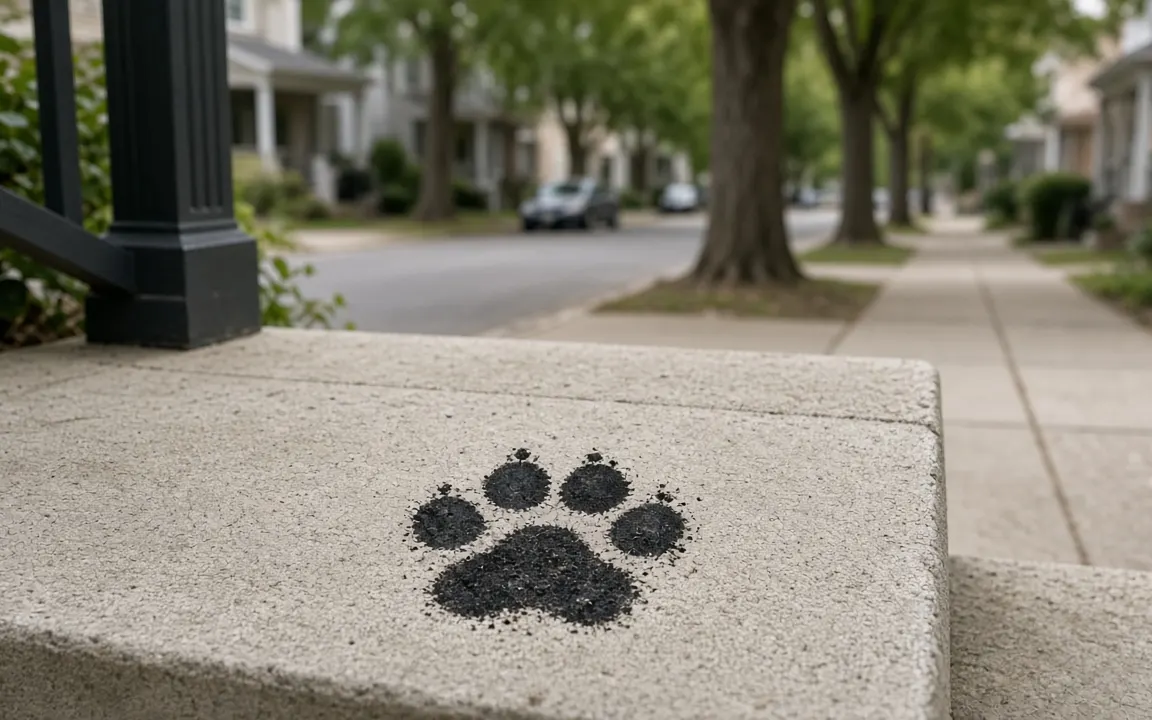
Wellington, New Zealand
Who takes paw prints in Wellington
Wellington's harbor, the south coast around Ōwhiro Bay and Island Bay, and the Town Belt's green hills are where many Wellington families spent their weekends with a pet, so they're often the first places people think of afterward. Public land and the coast may have rules on scattering, so check with the council first. Planting a native tree or shrub in your garden with a biodegradable urn is a popular alternative.
In a Wellington flat or townhouse, a memorial often needs to be compact: a small urn by the window, a framed paw impression, or cremation jewelry holding a little of the ashes. If family members elsewhere in New Zealand or overseas want a keepsake, ask for small containers so the ashes can be shared. An engraved stone on a sheltered deck is another option.
If your pet is a senior with good days left, a routine vet visit in Wellington can be a gentle moment to ask about a print. Some clinic teams will help take one there and then, with treats on hand. You can also do it at home after a long walk, when your dog is tired, or after a meal, when your cat is sleepy and relaxed.
With roughly 212,000 residents, Wellington is one of the New Zealand communities we cover.
Our estimate
55,500
Wellington: dog- or cat-owning households, our estimate
How we calculated this
212,000 ÷ 2.7 = 78,519 households; × 31% (dog) + 40% (cat) = 55,500. Homes are counted once however many pets they keep.
Our estimate
4,750
Estimated dog and cat losses in Wellington each year
How we calculated this
55,500 dog/cat-owning homes ÷ average lifespan (dog: 12.69 yrs + cat: 11.18 yrs) ≈ 4,750 a year. The real figure is unlikely to be lower.
31%[1]
31% of New Zealand households have a dog, down from 34% in 2020.
12.69 years[2]
US dogs have an average life expectancy at birth of 12.69 years.
40%[3]
40% of New Zealand households have a cat - cats are NZ's most popular pet.
11.18 years[4]
US cats seen at Banfield hospitals have an average life expectancy at birth of 11.18 years.
To check the figures yourself, see Montoya et al. 2023, Frontiers in Veterinary Science and Companion Animals New Zealand, 2024 NZ Pet Data Report.
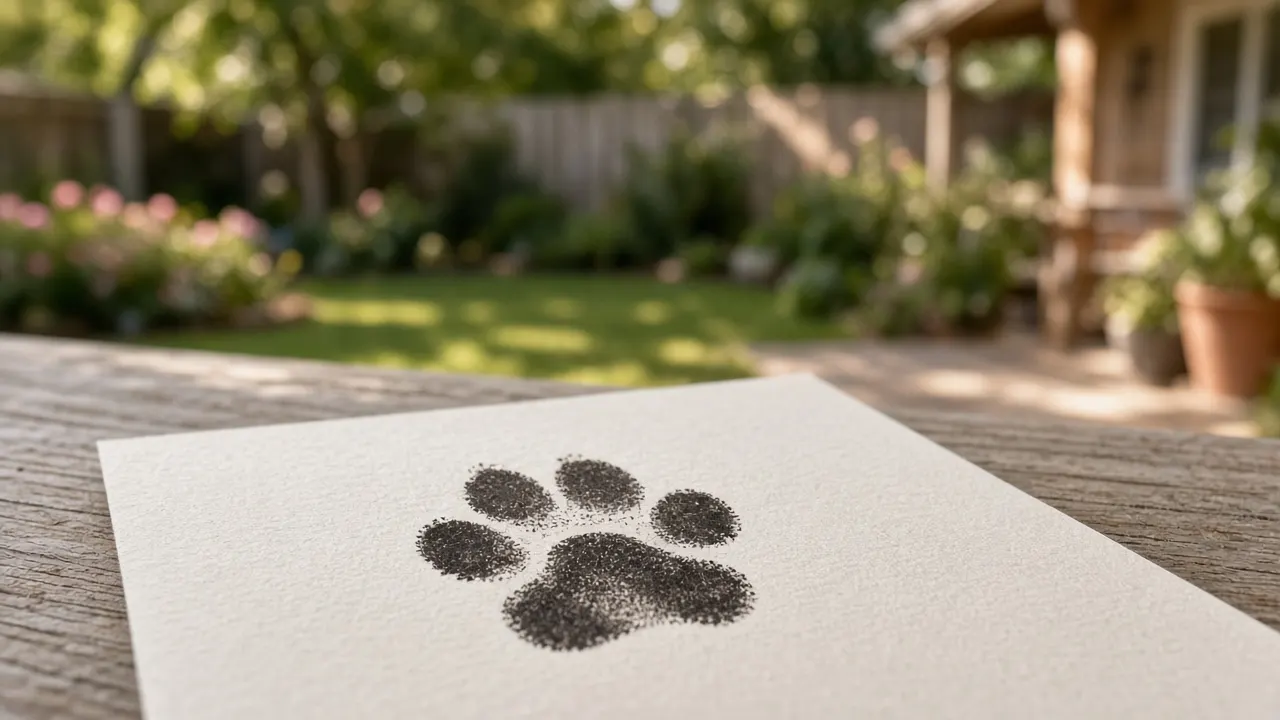
Local customs and the keepsake you keep
About 69%[5] of people in New Zealand are cremated, so cremation and burial are both common. Pet owners are split the same way: some bury at home or in a pet cemetery, others choose cremation. Either way, a print should be taken first. With a burial you usually have more time and can do it yourself; with cremation, ask the vet or crematory when you book.
The Spinoff, citing FDANZ 2023 Funeral Industry Trends Report (2023) is where the New Zealand figure comes from. It counts people; we use it because attitudes to cremating a pet in Wellington tend to follow attitudes to cremation generally.
Heat, humidity, cold and drying times
Whatever the season in Wellington, take prints indoors in a comfortable room, not in direct sun or a cold garage. Dry the paw with a towel before using ink so it doesn't smudge, and tape the card down. Let clay dry on a rack at room temperature for two or three days, then seal it before framing or posting it anywhere.
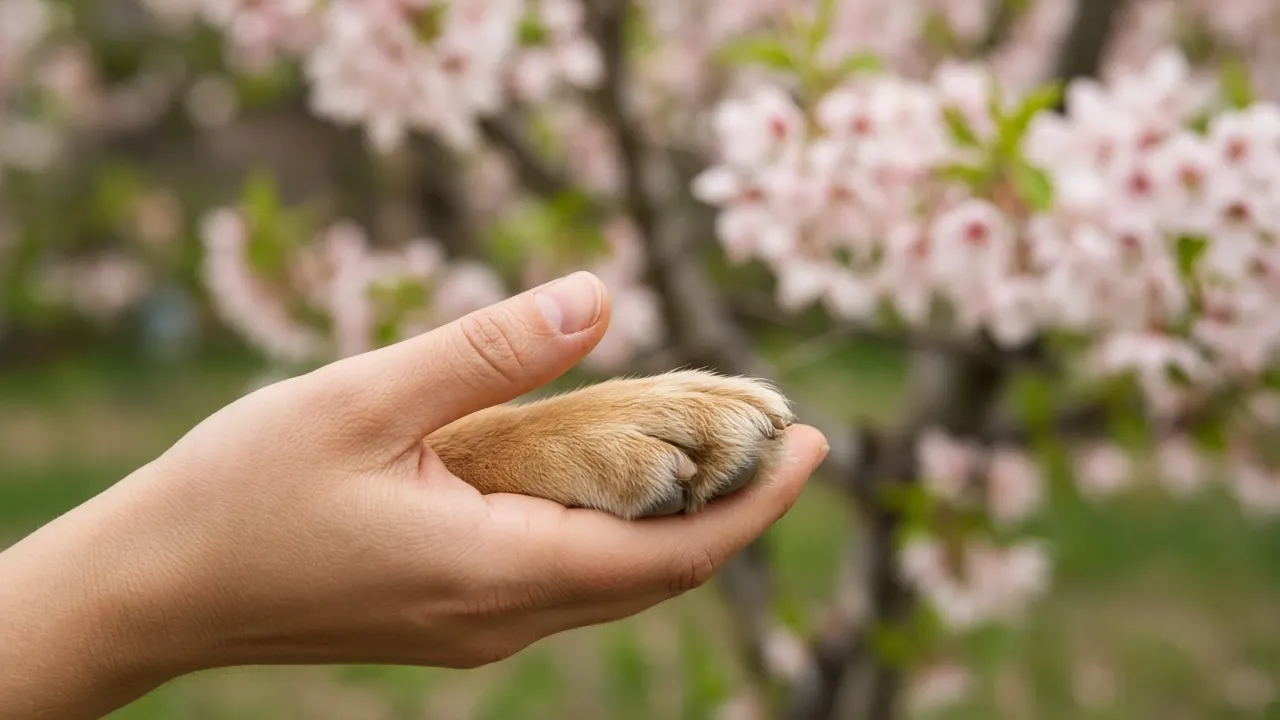
Budgeting for a print and what it becomes
A home kit is the cheapest way to get a print in Wellington, and it gives you as many copies as you like. Order one early, while your pet is well, because courier delivery to regional areas can take days. If you'd rather a crematorium did it, the median listed price for individually cremating a pet under 5 kg in Australia is around AUD 412[6], and a print is usually a small line on top of that.
Prices for Wellington track the wider New Zealand market, so use the New Zealand price table as your baseline and the services page to see what is included.
Free tool
Memorial budget planner
Add up cremation, urn, keepsakes and a farewell so the total holds no surprises.
Local rules worth knowing in New Zealand
If you might move away from New Zealand one day, it helps to know that a print, a cast or a photograph needs no paperwork at a border, while ashes sometimes do, and a grave can't come with you at all. None of that should decide your plans, but it's worth weighing alongside what New Zealand allows, set out below.
In New Zealand, most vets work with a regional pet crematorium that can take a clay or ink paw print before cremation, often if you simply ask. Damp winters and humid summers in much of the country slow air-dry clay, so be patient before sealing. If you're in a rural area, the vet visit is usually the best moment for a print.
Getting a paw print in Wellington, step by step
- If your pet dies while you're away from home, call the kennel, sitter or local vet and ask them to keep your pet cool and take a paw print before anything else happens.
- Ask them to photograph the print so you can check it's come out clearly; a text is fine.
- Decide whether to bring your pet home instead of arranging cremation locally; the print goes with you either way.
- Ask for ink rather than clay if the print will be posted to you. A flat card survives the mail far better than damp clay.
- If you're driving home with your pet, keep them cool and take your own print when you arrive, before burial or collection.
- Keep names, numbers and receipts for everyone involved, so everything can be matched up later.
Ways families in Wellington keep a print close
Planting something native is a lovely way to remember a pet in Wellington, whether a kōwhai that flowers yellow in spring, a harakeke flax, or a small tree that attracts tūī. A biodegradable urn can go beneath it, or you can keep the ashes in an indoor urn and plant the tree as a living memorial. Choose a sheltered spot, since Wellington's wind is hard on young plants.
there are guides for the big decisions and articles for the details, run the numbers with the free planning tools, or compare your instinct with the poll results, Our services overview lays out every option side by side. More local pages: the New Zealand overview and every city in New Zealand.

Reader polls
What would you choose?
Vote anonymously and see how other readers answered. The results are live counts from people who visit this site, so they show real opinions, not a scientific sample.
What worries you most about taking a print yourself?
Tap an answer to vote and see how others answered. Anonymous.
Who would you rather take the print?
Tap an answer to vote and see how others answered. Anonymous.
If you had to decide today, which aftercare would you choose for your pet?
Tap an answer to vote and see how others answered. Anonymous.

Free tools to help you plan
Memorial budget planner
Add up cremation, urn, keepsakes and a farewell so the total holds no surprises.
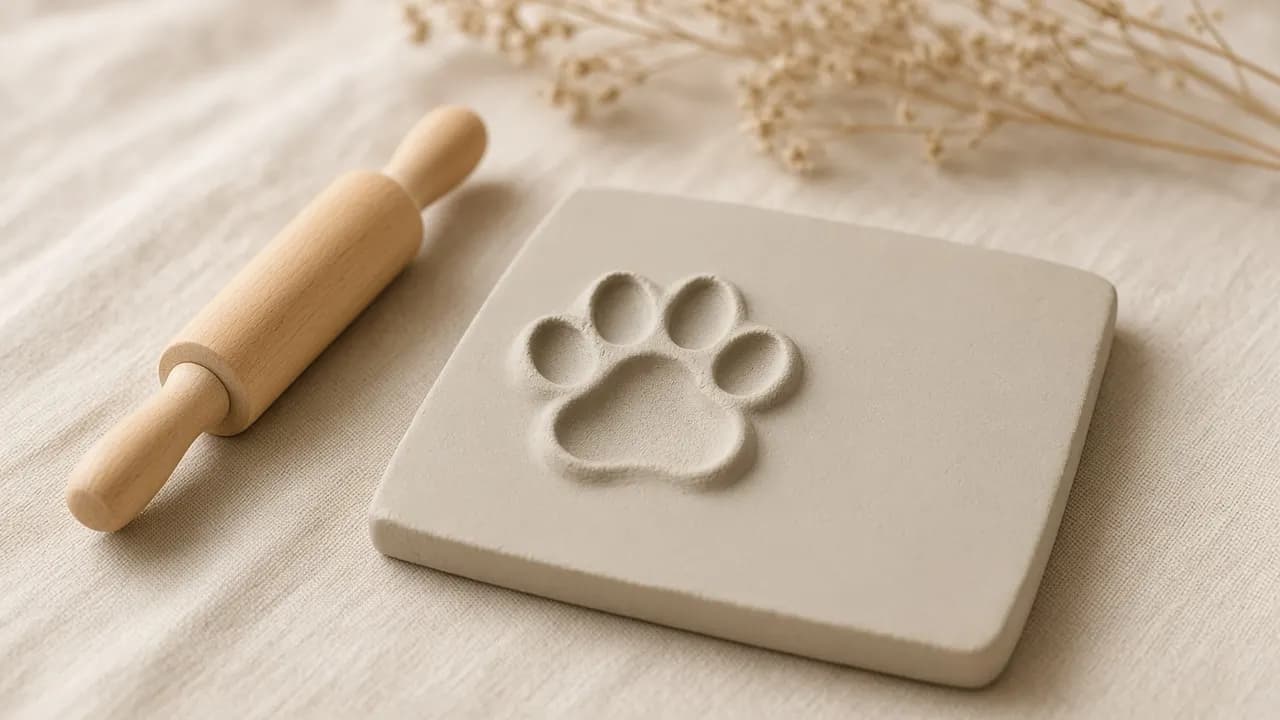
Paw print keepsake chooser
Match a print method to your pet's size, fur and the keepsake you want to keep.
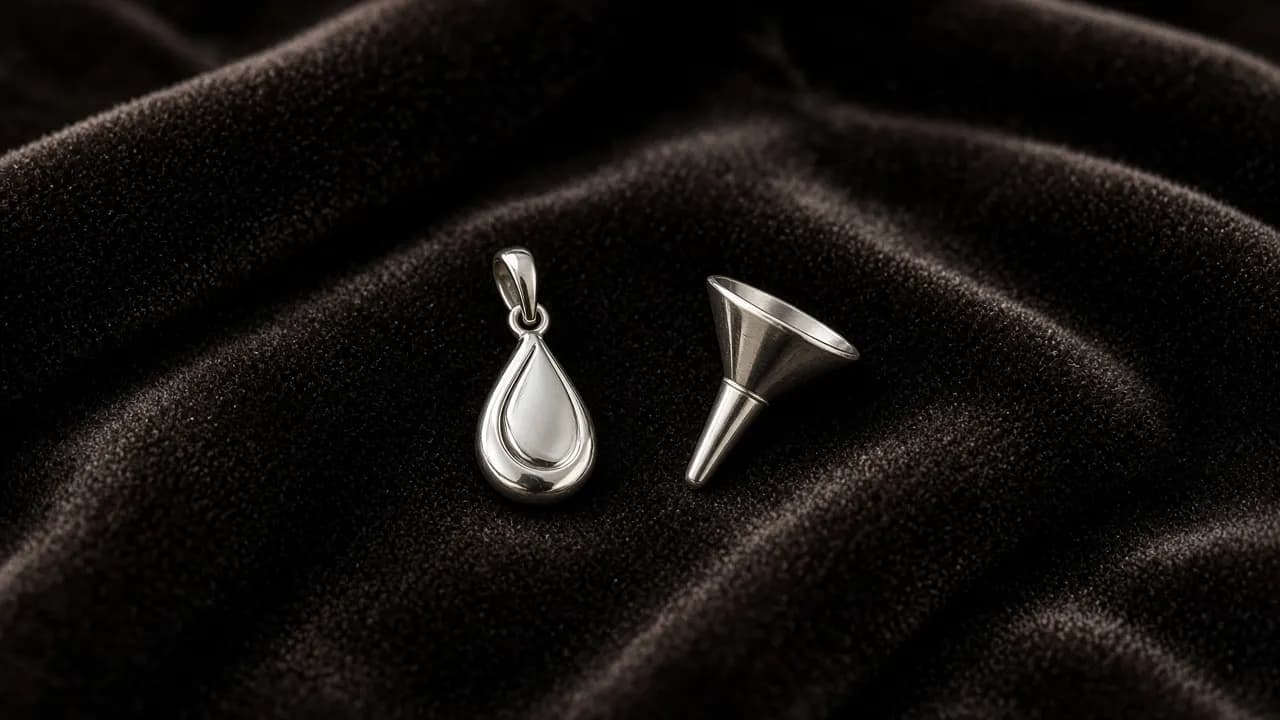
Jewelry ash capacity guide
How much ash fits in pendants, rings and glass, and how many pieces one pet can fill.
Questions people ask
How many pet owners live in Wellington?
By our estimate, about 55,500 households in Wellington have at least one dog or cat, and around 4,750 are lost each year. We calculate this from the city's population of about 212,000, the average household size and national ownership and lifespan figures, so treat it as a floor rather than an exact count.
Why does the Wellington page quote a human cremation rate?
Because it is the best local signal we have. The Spinoff, citing FDANZ 2023 Funeral Industry Trends Report (2023) reports about 69%[5] of New Zealand residents are cremated. There is no official pet equivalent, and inventing one would be worse than quoting a real, clearly labelled number.
Why take a paw print in Wellington if I already have plenty of photos?
Photos show what your pet looked like; a print records something you touched every day, at actual size. We estimate Wellington has around 55,500 dog- or cat-owning homes and loses about 4,750 of those pets a year. Most of those owners have hundreds of photos. The difference is that photos can be found later, while a print only exists if someone makes it before the body is cremated or buried, which is why it's worth doing first.
How do I stop an ink paw print from smudging?
Dry the paw with a towel first, tape the card to a hard surface and press straight down with steady pressure, then lift straight up without sliding. Too much ink blurs the pads, so dab lightly. Take three or four prints and keep the clearest. Let the ink dry fully before touching it, especially in humid weather.
Should I take a paw print while my senior pet is still alive?
If you can, yes. A relaxed living pet usually gives the clearest print, and you can take as many as you like without pressure. It can also give anticipatory grief something useful to do; in an RSPCA survey, 75.4%[8] of bereaved owners said they grieved before their pet died. Choose a calm, good day and keep the session short.
Can I take the print myself before the vet or crematory arrives?
Absolutely, and many people prefer to. Have the clay warmed or the card taped down before the appointment, choose a quiet room and take a few prints while your pet is calm. If collection is happening after a home euthanasia, the team will usually wait a few minutes while you take one afterwards too. Just let them know.


Sources and our estimates
- [1] 31% of New Zealand households have a dog, down from 34% in 2020. Companion Animals New Zealand, 2024 NZ Pet Data Report, 2024.
- [2] US dogs have an average life expectancy at birth of 12.69 years. Montoya et al. 2023, Frontiers in Veterinary Science - Banfield Pet Hospital life expectancy tables (13.3 million dogs, 2.4 million cats, 2013-2019), 2023.
- [3] 40% of New Zealand households have a cat - cats are NZ's most popular pet. Companion Animals New Zealand, 2024 NZ Pet Data Report, 2024.
- [4] US cats seen at Banfield hospitals have an average life expectancy at birth of 11.18 years. Montoya et al. 2023, Frontiers in Veterinary Science - Banfield Pet Hospital life expectancy tables (13.3 million dogs, 2.4 million cats, 2013-2019), 2023.
- [5] 69% of bodies in New Zealand were cremated in 2023, per the Funeral Directors Association of NZ. The Spinoff, citing FDANZ 2023 Funeral Industry Trends Report, 2023.
- [6] An Australian provider survey of listed prices puts the median individual cremation at AUD 412 for pets up to 5 kg (range AUD 295-612). Pet Farewell (Australia) - Pet Cremation Cost Australia (2026), 2026.
- [7] Paw-print add-ons at US crematories have a median price of about $32, from $10 to $76. Our estimate: median of [$10 clay (AGP), $15 laser engraving (AGP), $49 ink (Final Gift), $76 clay (Final Gift)]. How we calculate.
- [8] 75.4% of RSPCA pet-loss survey respondents experienced anticipatory grief before their pet died. RSPCA — Pet Loss Survey Results, 2026.
Ask who takes paw prints in Wellington
Tell us what you need and where you are. We'll reply by email with clear options and prices so you can decide in your own time.