Which paw print method will work for your pet?
Pick your pet's size, how furry the paws are and what you'd like to keep. The chooser suggests a method and a backup, with tips, so you buy the right kit the first time.
- Three questions, instant suggestion
- Covers clay, ink, inkless, plaster and 3D casts
- Tips for dogs, cats and small pets

Paw print keepsake chooser
Answer three quick questions and we'll suggest the print method most likely to work for your pet.
Best fit
Clay impression
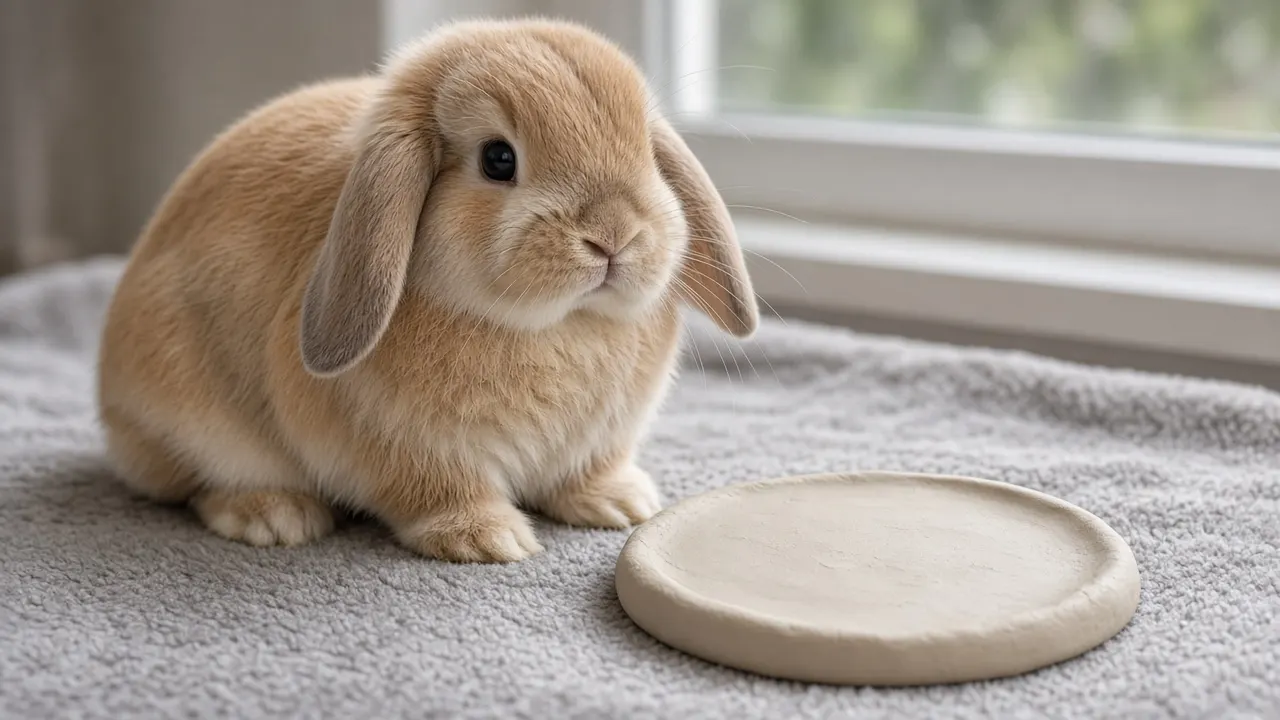
A soft clay disc you press the paw into, then air-dry or bake. Captures pads and texture in 3D. Clay is simple, forgiving and gives a lovely 3D keepsake for display.
How to get a good print
- Warm and knead the clay first so it's soft.
- Press the paw straight down with gentle, even pressure on each toe, then lift straight up.
- Take a couple of practice presses; clay can be re-rolled.
Also works: Full 3D cast (moulding gel). An alginate-style gel captures the whole paw, including toes and fur outline, for a sculpture-like keepsake.
If you'd rather not do this yourself, your vet or crematorium can usually take a print for you before cremation.
Using the chooser
How to use the chooser in under a minute
Choose the size group that's closest to your pet: tiny covers hamsters, birds and kittens; small covers cats and little dogs; medium is roughly 20 to 50 lb; large is roughly 50 to 90 lb; giant covers dogs over 90 lb and horses. Then pick how much fur grows on and between the pads, and whether you want something to display, something to wear, or a flat print for framing or art.
The suggestion updates as soon as you change an answer, so it's worth trying a couple of combinations. Many families find they want two things, like a clay disc for the shelf and a flat print for a pendant or engraving, so run the chooser once for each and note both answers.
How it decides
How the chooser picks a method
There's no scoring formula hidden here; it follows a few practical rules that print makers and vet teams use:
- For jewelry, it recommends a flat print, because engravers work from a clear image. Long, fluffy paws get an inkless kit first; shorter fur gets pet-safe ink.
- For art or framing, it again recommends a flat print, switching to inkless for tiny or long-furred paws. The backup is plaster for big dogs and clay for everyone else.
- For display, large and giant dogs get foam and plaster, since standard clay discs are too small, with a full 3D cast as the backup.
- Long-furred pets wanting display also get deep foam, which holds detail through fur better than shallow clay, with clay as the backup.
- Tiny pets get soft clay, which picks up very small toes with gentle pressure. Everyone else gets clay with a 3D cast as the step-up.
Our comparison of clay, ink, metal and glass prints explains why each material behaves the way it does.
Worked examples
Four worked examples, from a Newfoundland to a lop rabbit
A 130 lb Newfoundland with feathery feet, for display. Giant plus long fur points to foam and plaster, with a 3D cast as the alternative. Trim the tufts between the pads first and have a helper steady the leg; the foam can only be pressed once. Giant breeds also have shorter lives, around 9.51 years[1] on average in the US in a study of Banfield hospital records, so there's good reason not to leave it late.
A short-haired tabby, for a pendant. Small and short points to pet-safe ink, with inkless as the backup. In practice many cat owners go straight to inkless, because cats groom off anything wet. US cats have an average life expectancy of about 11.18 years[2], so a relaxed print at 10 or 11 is well timed.
A Holland lop rabbit, for display. Choose tiny or small, and the chooser suggests soft clay. Rabbits have no pads, so expect the long shape of the hind foot and a soft fur texture, not beans. With a median lifespan of about 4.3 years[3] in England, a print in the first couple of years is sensible.
A small terrier, for art. Small and short points to ink on card, with clay as the backup. Take four or five prints, pick the crispest, and ask an artist to build a portrait around it. Small-breed dogs are among the longest-lived, at about 13.53 years[4] in the US, which leaves plenty of time for practice runs.
Reading the result
What your suggestion means, and when to ignore it
The "best fit" is the method most likely to work first time for a pet like yours. The "also works" option is a genuine alternative, not a runner-up: if your pet hates having feet held, a quick inkless press may beat a slow clay one regardless of what the chooser says. Whichever you choose, buy ink sold as pet-safe, or at least carrying the "Conforms to ASTM D-4236" line that the Consumer Product Safety Commission's art materials rules require after a toxicology review.
Trust your knowledge of your own pet over the tool. An anxious dog may do better with a print taken by the vet team; a sleepy senior cat may tolerate clay perfectly well. For a nose print, choose the jewelry or art option: the flat-print advice applies to noses too. Our guide to nose print keepsakes walks through it step by step.
If you could keep one kind of print from your pet, which would it be?
Tap an answer to vote and see how others answered. Anonymous.
Honest limits
What the chooser can't tell you
It can't see your pet's temperament, mobility or pain, all of which matter more than paw size near the end of life. It treats horses as "giant", but a horse's hoof is really a job for non-toxic paint and a board, or a clay tray; see the hoof section of our services overview.
It also doesn't know about your deadline. If an appointment is already booked, read getting prints before the window closes and call your clinic today. If your pet has already died, follow our gentle guide to taking a paw print after death instead.
75.4%[5]
After the chooser
Next steps once you know your method
- Buy the recommended kit, plus a spare if it's clay or foam.
- Trim between the pads a day or two ahead, and practise the hold with no kit at all.
- Take several prints on a calm day, then scan or photograph the clearest.
- Seal and store it using our guide to caring for ink and clay prints.
Prefer to hand it over? Send us your details and we'll email back local vets, crematories and makers who take prints. You can also add the print to your plans in the memorial budget planner. If the crematory takes the print, the charge is usually modest: by our estimate the US median add-on is ~$32[6]. Our local pages list options by city, and the poll results show which methods other readers picked.

Reader polls
What would you choose?
Vote anonymously and see how other readers answered. The results are live counts from people who visit this site, so they show real opinions, not a scientific sample.
If you could keep one kind of print from your pet, which would it be?
Tap an answer to vote and see how others answered. Anonymous.
What worries you most about taking a print yourself?
Tap an answer to vote and see how others answered. Anonymous.
Which memorial feels most like your pet?
Tap an answer to vote and see how others answered. Anonymous.

Free tools to help you plan
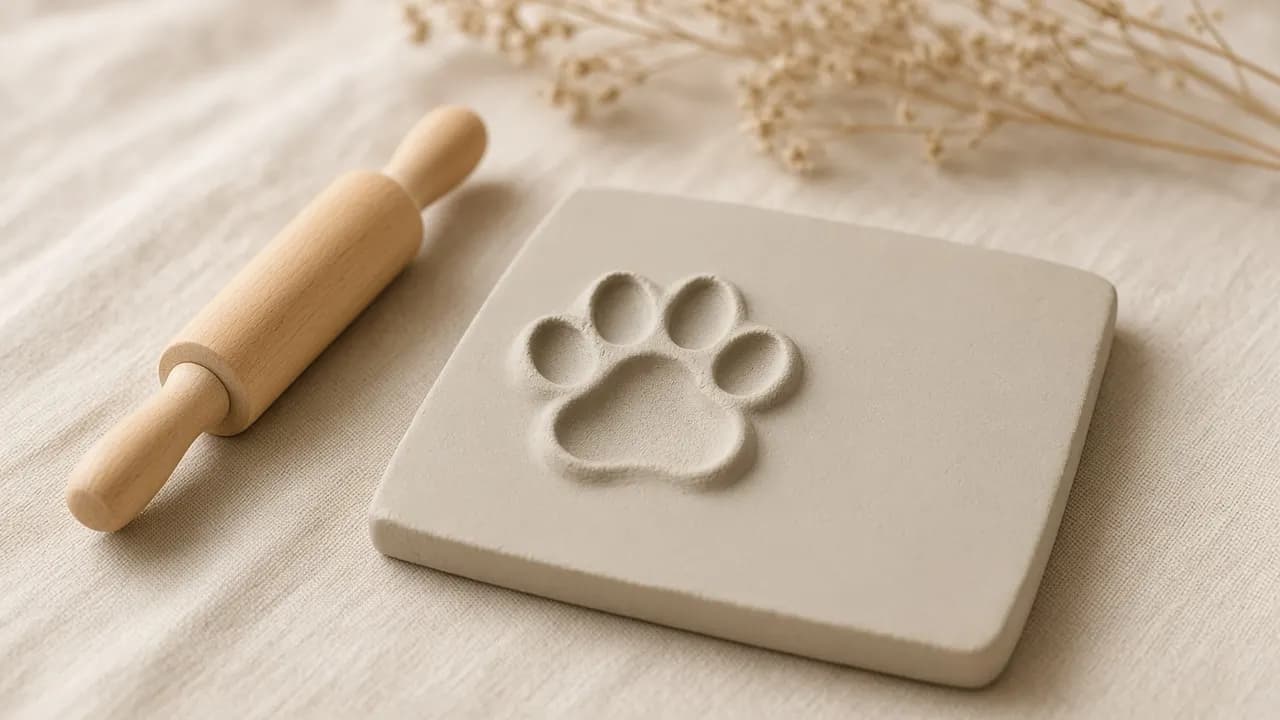
Paw print keepsake chooser
Match a print method to your pet's size, fur and the keepsake you want to keep.
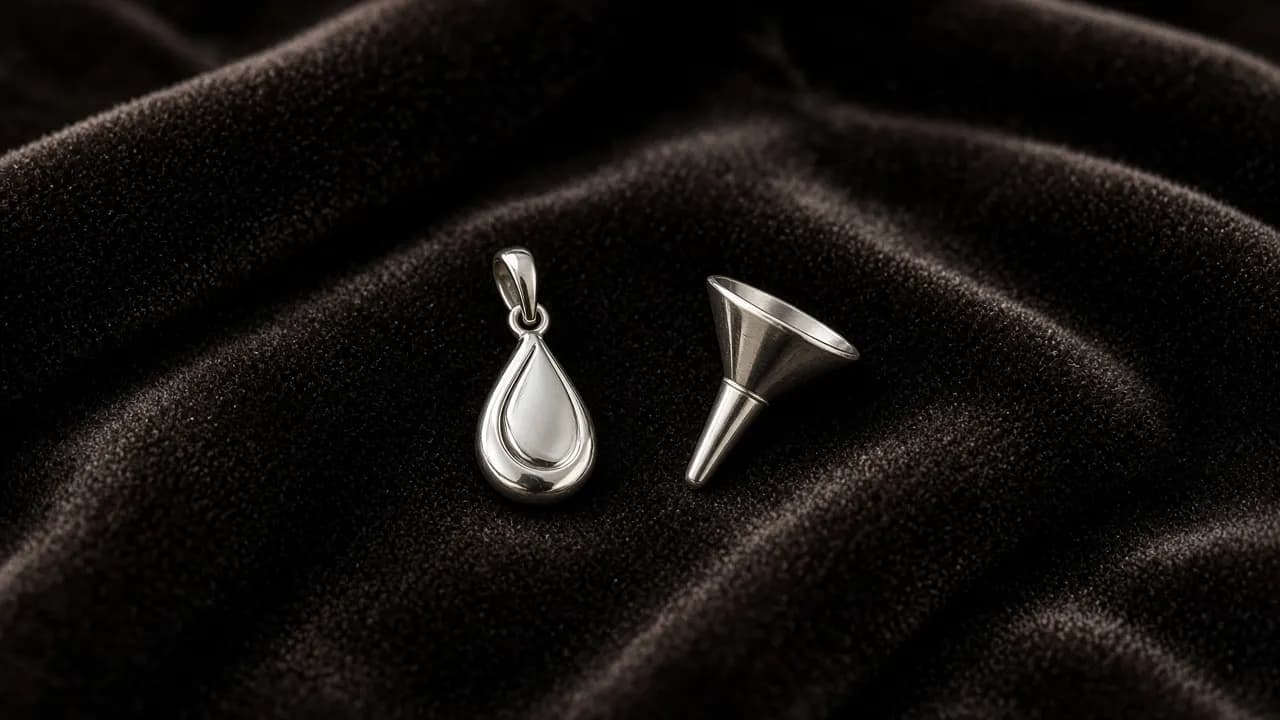
Jewelry ash capacity guide
How much ash fits in pendants, rings and glass, and how many pieces one pet can fill.
Memorial budget planner
Add up cremation, urn, keepsakes and a farewell so the total holds no surprises.
Questions people ask
Which paw print method is easiest for a first-timer?
Inkless kits are the most forgiving: nothing wet touches the fur, the print develops on the paper within seconds, and you can take several attempts from one kit. Clay is a close second because a smudged press can simply be rolled out and redone.
Is a clay disc big enough for a large dog?
Often not. Standard discs suit cats and small to medium dogs, but big paws can overrun the edge. For large and giant breeds, deep impression foam filled with plaster, or a full 3D cast, captures the whole paw. That's why the chooser switches methods at the large size.
Can the chooser help with a nose print?
Yes. Select the jewelry or art option and follow the flat-print tips. For noses, dab rather than press the ink, curve the card around the nose and lift straight off. Inkless wipes work well for cats' small noses.
What should I pick for a bird or hamster?
Choose the tiny size. The chooser suggests soft clay, which records very small toes with gentle pressure. Inkless paper is a good alternative for a bird walking across it. Avoid spraying sealers anywhere near birds.
Does the chooser work for horses?
Only roughly. It treats horses as giant and suggests plaster, but most horse owners prefer a painted hoof print on board or canvas, a clay tray impression, or a saved final shoe. Plan it with your vet or farrier.


Sources and our estimates
- [1] Giant-breed dogs in the US have a life expectancy of about 9.5 years. Montoya et al. 2023, Frontiers in Veterinary Science - Banfield Pet Hospital life expectancy tables (13.3 million dogs, 2.4 million cats, 2013-2019), 2023.
- [2] US cats seen at Banfield hospitals have an average life expectancy at birth of 11.18 years. Montoya et al. 2023, Frontiers in Veterinary Science - Banfield Pet Hospital life expectancy tables (13.3 million dogs, 2.4 million cats, 2013-2019), 2023.
- [3] Pet rabbits in England have a median age at death of 4.3 years. O'Neill et al. 2020, Veterinary Record - VetCompass rabbits, 2020.
- [4] Small-breed dogs in the US have a life expectancy of about 13.5 years - the longest of any size group. Montoya et al. 2023, Frontiers in Veterinary Science - Banfield Pet Hospital life expectancy tables (13.3 million dogs, 2.4 million cats, 2013-2019), 2023.
- [5] 75.4% of RSPCA pet-loss survey respondents experienced anticipatory grief before their pet died. RSPCA — Pet Loss Survey Results, 2026.
- [6] Paw-print add-ons at US crematories have a median price of about $32, from $10 to $76. Our estimate: median of [$10 clay (AGP), $15 laser engraving (AGP), $49 ink (Final Gift), $76 clay (Final Gift)]. How we calculate.
Rather someone else took the print?
Tell us what you need and where you are. We'll reply by email with clear options and prices so you can decide in your own time.