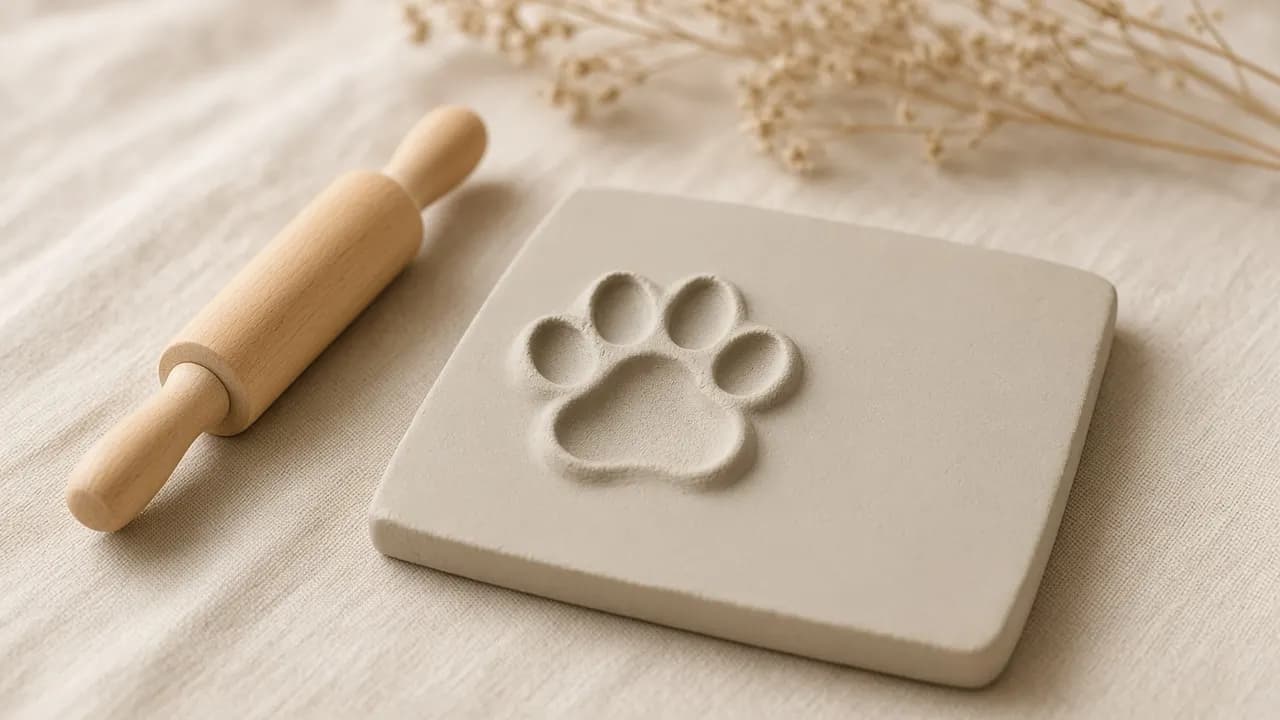
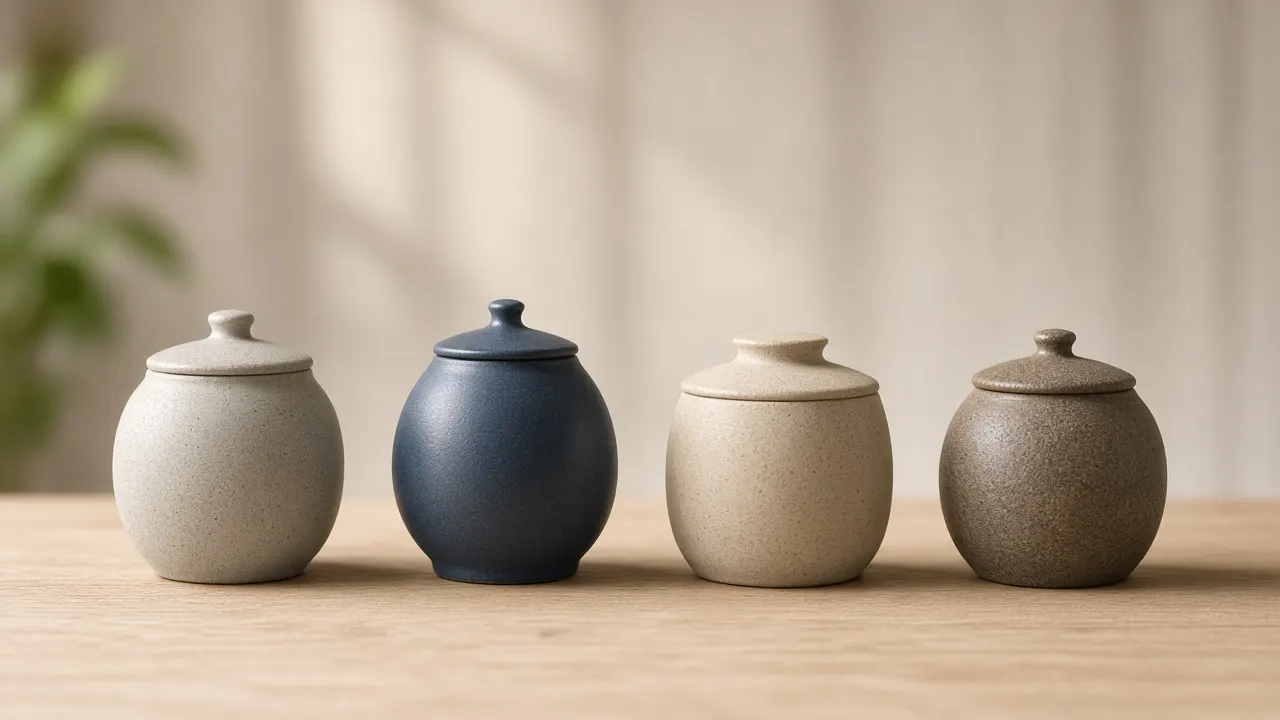
If you could keep one kind of print from your pet, which would it be?
A clay impression I can hold0%
An ink print on paper to frame0%
A plaster or 3D cast of the whole paw0%
Their print engraved on a pendant0%
I honestly don't know yet0%
Loading...
These totals move every time someone votes, so treat them as a conversation, not a conclusion. Published research sits alongside, such as the RSPCA finding that 66.9%[1] of owners were surprised by how intense their grief was.
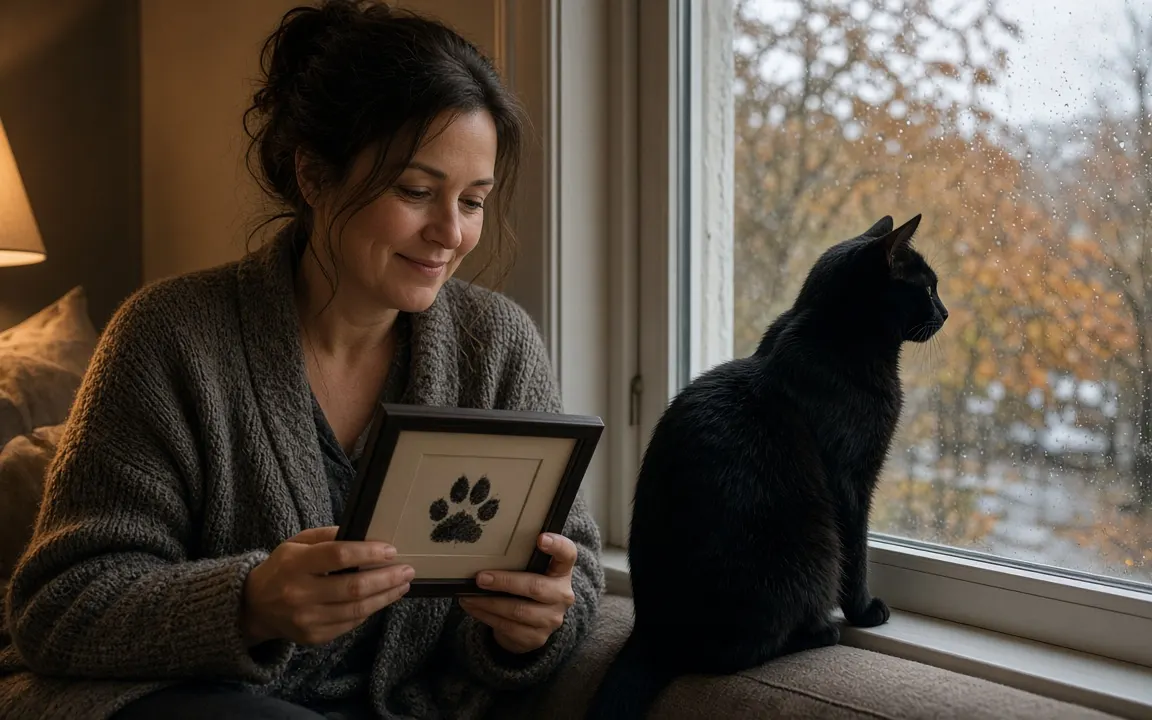
How we count
Each question counts one vote per person, and we store only the totals, never who voted for what. The board below reads those totals live, so the percentages you see now may be different tomorrow.
Anyone who visits the site can vote, which means the results describe our readers, not every pet owner in the country. People planning ahead for a senior pet are probably over-represented, for example, and people who never thought about a print at all are probably under-represented. That's fine for seeing the spread of choices; it's not fine for claiming what "most people" do. If you haven't voted yet, the polls page has all eight questions.
Loading...
Loading...
Loading...
Loading...
Loading...
Loading...
Loading...
Loading...
Reading a live number
Context from research
On timing. Our timing poll asks whether people take a print early, at the senior stage or on the last day. Research suggests many owners start grieving well before the end: 75.4%[2] of respondents in the RSPCA's pet-loss survey experienced anticipatory grief. Watching how many readers choose "once they became a senior" is a reminder that this is the natural moment for many.
On who takes the print. The vet team is an obvious answer, yet only 47%[3] of UK cremation buyers surveyed by the Competition and Markets Authority recalled being told about a range of options. If you'd like the clinic to take a print, it's safest to bring it up yourself; our note on asking the vet ahead has wording. Few people shop around at all: by our estimate, only ~6%[4] of all bereaved UK pet owners compare cremation providers before buying.
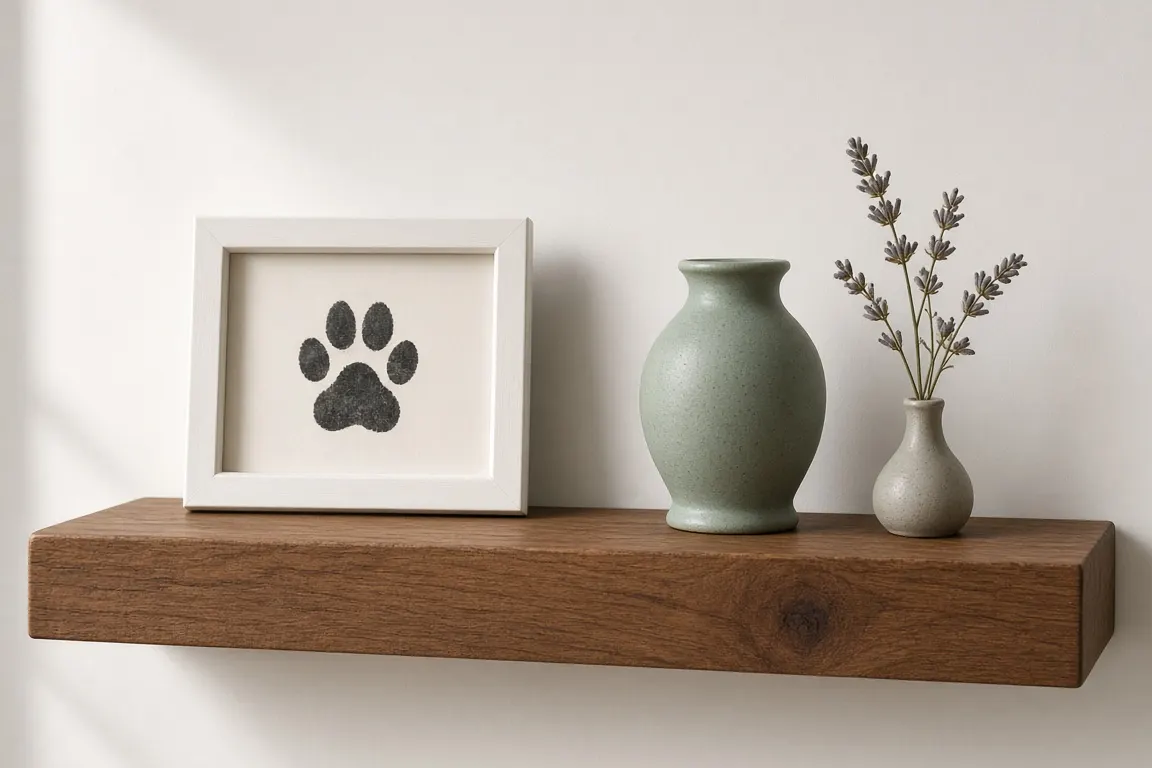
On where prints end up. A summary of NFDA's 2025 consumer research found 37%[5] of Americans would keep cremated remains at home in an urn, and our display poll asks a similar question about prints. A framed print beside the urn is a familiar pairing; our display and tag guide has layouts.
Why species matters
The species poll isn't just curiosity. It changes how soon a print makes sense. Pet rabbits in England have a median age at death of about 4.3 years[6] in a study of UK veterinary records, and pet hamsters in the UK about 1.75 years[7] in a similar study of hamsters. For animals with short lives, "later" arrives quickly, so a print taken in the first year or two is sensible rather than gloomy.
Horses sit at the other end. They commonly live 25-30 years[8], and they're usually considered geriatric from about their mid-teens, which gives owners many years to plan a painted hoof print on a calm, sunny day. Our print window timing guide covers each stage.
Whose print are you thinking about?
Tap an answer to vote and see how others answered. Anonymous.
When the numbers feel personal
It's common to look at a chart and feel a jolt: "most people took a print early, and I didn't". Please don't read the results that way. Readers who planned ahead are more likely to find a page like this, and a missed print is one of the most common regrets there is, not a failing.
If you didn't get a print, there are still ways to keep that connection: a clear photo of the paw or nose can guide an artist, and a collar tag can be engraved with your pet's name. Our piece on choosing a print without promising relief from grief talks honestly about what a keepsake can and can't do, and the services overview lists options that still work after cremation.
Using the results
The most useful thing the results can show you is that there's no single right answer. Some people want clay to hold; others want a flat print to engrave; some want nothing but a nose print on a chain. If your choice sits in a small slice of the chart, that doesn't make it a worse choice.
If the worry results look familiar, with smudging and wriggling near the top, our paw print kit chooser suggests a method that reduces both. And if you'd rather someone else did it, tell us where you are and we'll email back local vets, crematories and makers who take prints. Or browse our local pages to see what's available near you.
What worries you most about taking a print yourself?
Tap an answer to vote and see how others answered. Anonymous.

Reader polls
Vote anonymously and see how other readers answered. The results are live counts from people who visit this site, so they show real opinions, not a scientific sample.
When did (or will) you take your pet's print?
Tap an answer to vote and see how others answered. Anonymous.
Where would your pet's print live?
Tap an answer to vote and see how others answered. Anonymous.
Do you keep more than one memorial for the same pet?
Tap an answer to vote and see how others answered. Anonymous.
Every time someone votes. The board reads the current totals when you load the page, so refreshing later may show different percentages, especially on questions with only a few votes so far.
As a picture of how our readers are thinking, yes. As a statement about all pet owners, no: only people who visit the site and choose to vote are included. For population figures, we cite published research with named sources instead.
Each question shows its own count so you can judge how settled a result is. A question with a handful of votes can swing a lot, so check the count before reading much into any split.
They shape what we write about, not what we claim. If lots of readers worry about smudging, we'll write more about getting a clean print. Our practical advice still comes from how the methods work, not from vote totals.
Tell us what you need and where you are. We'll reply by email with clear options and prices so you can decide in your own time.