Paw print keepsakes: how to capture the paw you know so well
A print can only be taken while your pet is still with you or in their care before cremation, so a little planning goes a long way. Here's how to choose a method, get a clear print and keep it for decades.
- Clay, ink, inkless, plaster and 3D casts compared
- Step-by-step help for dogs, cats, rabbits, birds and horses
- Help finding a vet, crematory or maker near you
Timing matters more than the kit
The print window: why sooner is easier than later
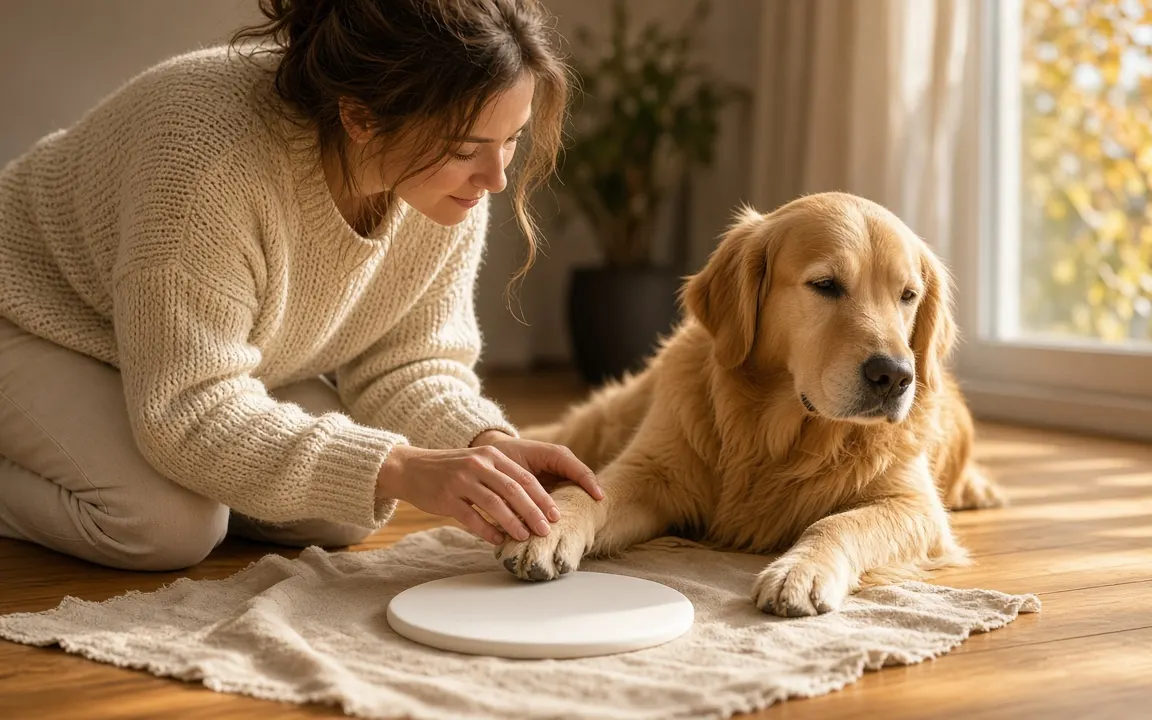
Every other keepsake can be ordered next month. A print can't. Once your pet has been cremated or buried, the chance is gone, and in the last days there is often too much happening to think about clay. That's why so many owners take a print while their pet is still well, or at least while they're a senior with good days left.
Planning ahead isn't morbid. In an RSPCA survey of more than 4,000 bereaved owners, 75.4%[1] said they felt grief before their pet died. A quiet afternoon with a tub of clay can give that feeling something useful to do, and a relaxed, living pet usually gives a far cleaner print than a rushed one.
If your pet has already died, a print is still usually possible for the first hours at home, and your vet or crematory can often take one before cremation if you ask when you book. Say it clearly, and ask them to confirm it in writing so it doesn't get missed. If you'd rather do it yourself, our guide to taking a paw print after a pet dies explains how to position them gently.
When did (or will) you take your pet's print?
Tap an answer to vote and see how others answered. Anonymous.
Choosing a method
Clay, ink, inkless, plaster or a 3D cast: what each one gives you
There's no single right material. The choice depends on what you want to hold, hang or wear afterwards, and on how furry and how big the paw is. Here is how the common methods compare in practice.
| Method | What you end up with | Works well for | Watch out for |
|---|---|---|---|
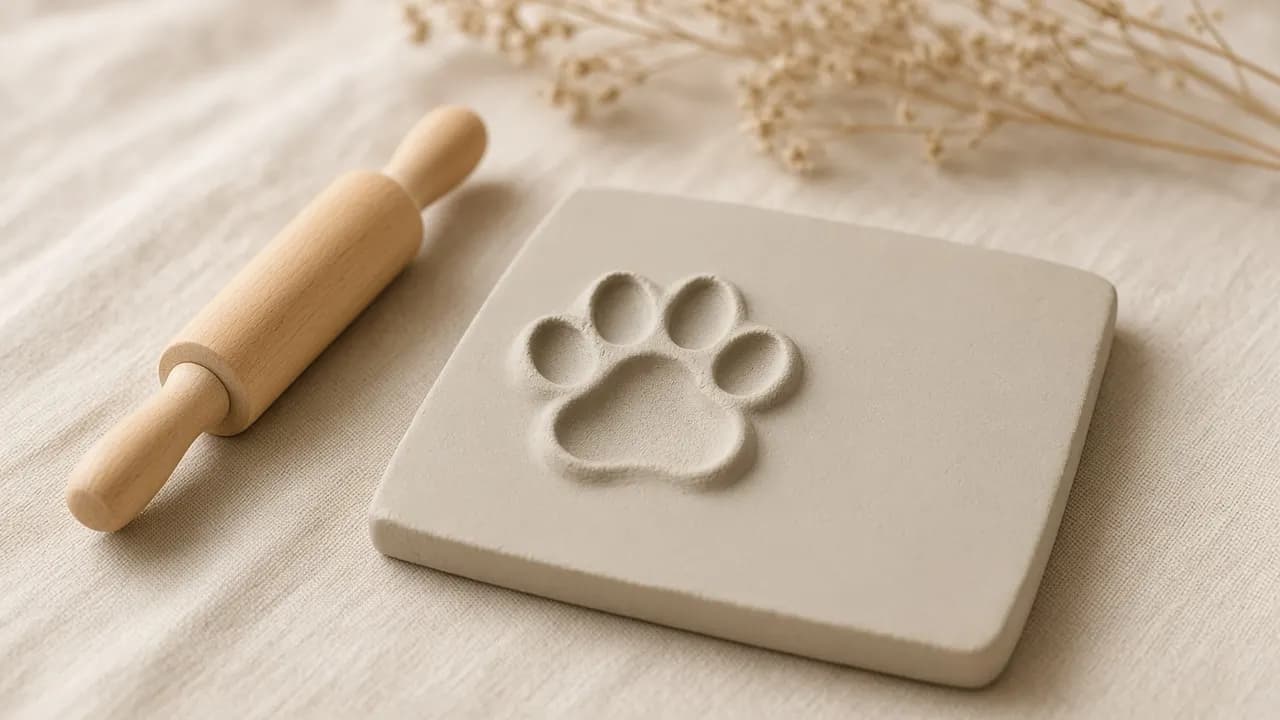
| Air-dry or bake clay | A 3D disc with pads and toes pressed in | Cats, small and medium dogs, calm pets | Air-dry clay cracks if it dries too fast |
| Pet-safe ink on card | A flat print to frame or scan | Short-furred paws, nose prints, jewelry designs | Smudges if the paw slides |
| Inkless wipe and paper | A flat print with no ink on the fur | Fluffy paws, cats, anxious pets | Needs the kit's own paper |
| Foam and plaster | A lifelike raised paw | Large and giant dogs | Foam is single use, so press carefully |
| Moulding gel (3D cast) | A full sculpture of the paw | Anyone wanting resin or bronze later | Sets in a minute or two |
Nose prints deserve their own mention. The ridged leather on a dog's nose is often compared to a fingerprint, and a light ink or inkless nose print makes a striking engraving. Our clay, ink, metal and glass comparison goes deeper on how each format ages.
Free tool
Paw print keepsake chooser
Match a print method to your pet's size, fur and the keepsake you want to keep.
Doing it yourself
How to take a clear print at home, step by step
- Trim the fur between the pads with blunt-tipped scissors so the pads, not the tufts, touch the clay or ink. Leave the fur around the edge; it gives the print its outline.
- Warm the clay in your hands for a few minutes, roll it smooth and set it on a firm, flat surface. For ink, tape the card down so it can't slide.
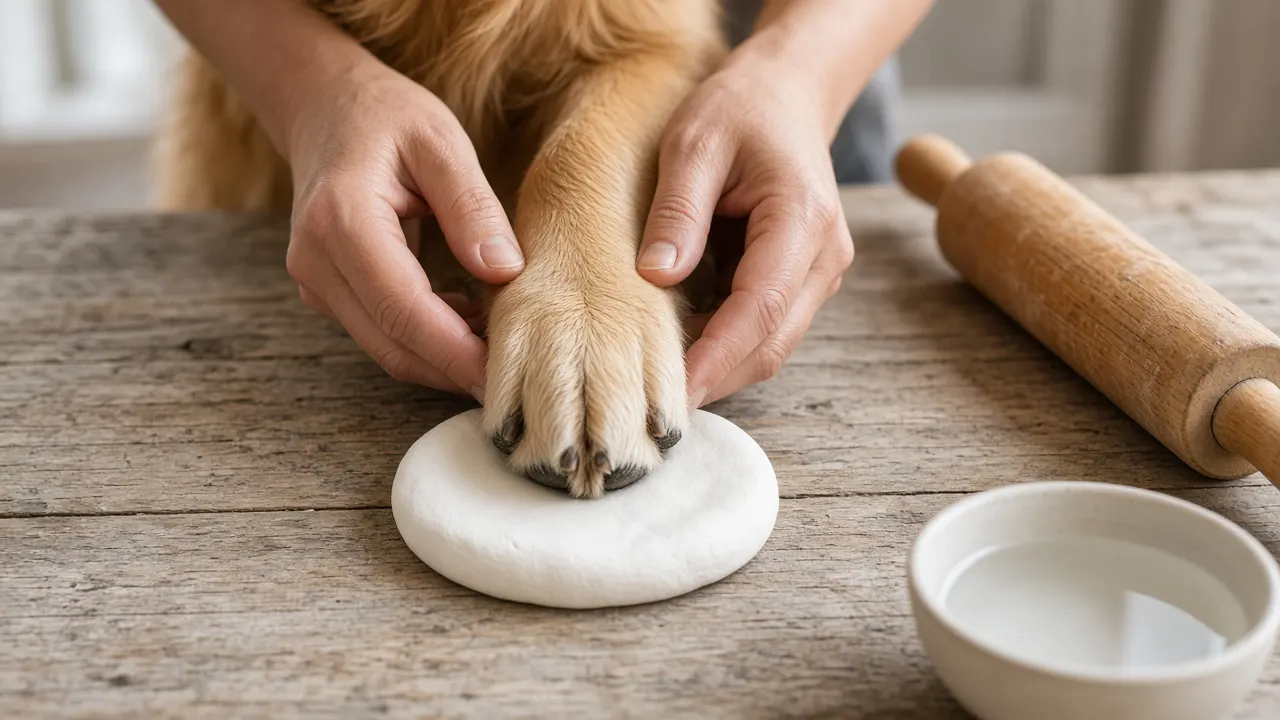
- Hold the leg, not the paw. For a dog, cup the leg just above the wrist and press straight down with steady pressure on all four toes, then lift straight up.
- For a cat, go gently and quickly. Wait until they're drowsy after a meal, rest the paw flat and press for a second. Squeezing the toes extends the claws, so avoid it.
- Take several prints and keep the clearest. Clay can be re-rolled, and practice on your own thumb helps.
- Clean up straight away with a damp cloth or unscented pet wipe, then dry between the toes so your pet doesn't lick ink or clay dust.
Not every foot is a paw
Tiny cat beans, furry bunny feet, bird toes and horse hooves
Cat paws are small and soft, so they need a smaller clay disc and much less pressure than a dog's. Inkless kits are often kinder for cats because nothing wet touches the fur they'll groom afterwards.
Rabbits have no paw pads at all: the soles of their feet are covered in dense fur. A clay press shows the long shape of the hind foot beautifully, while ink gives a soft, feathery outline rather than crisp pads. Birds are lighter still, so very soft clay or inkless paper works better than ink they might preen off. Horses are a different project entirely: most owners keep a hoof print made with non-toxic paint on board or canvas, a clay tray impression, or simply a worn shoe from the farrier. Curious what other owners chose for their own animals? The live poll results show the split.
Whose print are you thinking about?
Tap an answer to vote and see how others answered. Anonymous.
Making it last
Sealing, storing and copying your print
Let air-dry clay dry slowly for two or three days away from radiators, turning it so both sides dry evenly, then seal it with a matte acrylic sealer. Plaster is porous and marks easily, so it benefits from a sealer too. Ink prints last longest on acid-free card behind UV-filtering glass, out of direct sun. The Library of Congress gives the same basic advice for any treasured paper in its guide to caring for works on paper: cool, fairly dry, stable and away from bright light.
Before you frame anything, scan or photograph the print flat in good daylight. That digital copy is what engravers, jewelers and artists work from, and it means the original never has to leave your house. Our page on caring for ink and clay prints covers humidity, cracks and repairs.
Beyond the original
Turning a print into jewelry, engraving or art
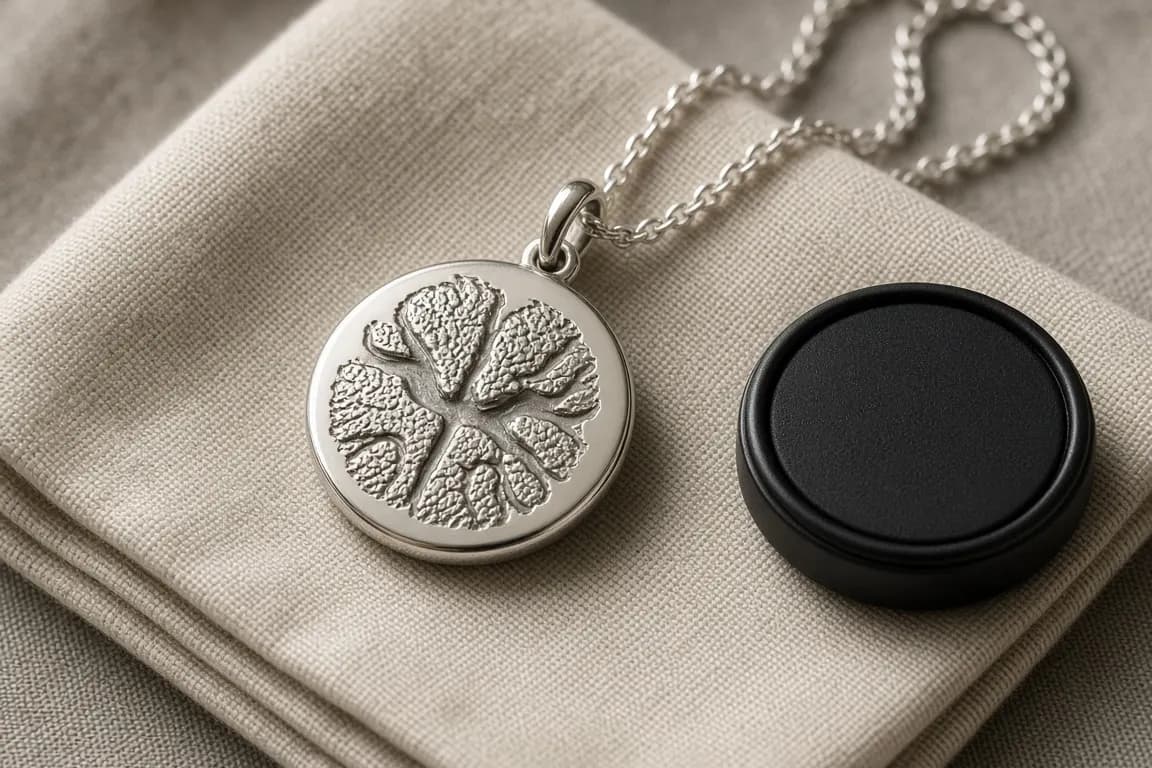
A clear flat print can be laser-engraved onto a pendant, cast in silver, etched into glass, stitched into embroidery or used as the stencil for a tattoo. Interest is real: one market report found 56%[2] of pet owners choose some form of memorial for their pet. Some pendants also hold a pinch of ashes behind the print; our jewelry ash capacity guide shows how little ash that takes.
3-5% of body weight[3]
You don't have to do it alone
Asking a vet, crematory or keepsake maker to help
If your hands will be shaking, it's completely fine to hand this to someone else. Vet teams, home-euthanasia vets and pet crematories take prints regularly, and independent makers can finish them into metal, glass or framed art. When the UK competition regulator surveyed pet owners, only 47%[4] of cremation buyers remembered being told about their full range of options, so asking directly is the surest way to get what you want. It rarely costs much, either. By our estimate, the median paw-print add-on at US crematories is ~$32[5], and some include a first print in the package.
Our guide to asking your vet about prints in advance has the exact questions. If you'd like us to find who offers prints near you, send us a few details and we'll reply by email. You can also compare every route on our print services page, or start from our local pages to see what's offered in your state or city.

Reader polls
What would you choose?
Vote anonymously and see how other readers answered. The results are live counts from people who visit this site, so they show real opinions, not a scientific sample.
If you could keep one kind of print from your pet, which would it be?
Tap an answer to vote and see how others answered. Anonymous.
When did (or will) you take your pet's print?
Tap an answer to vote and see how others answered. Anonymous.
Which memorial feels most like your pet?
Tap an answer to vote and see how others answered. Anonymous.

Free tools to help you plan
Paw print keepsake chooser
Match a print method to your pet's size, fur and the keepsake you want to keep.
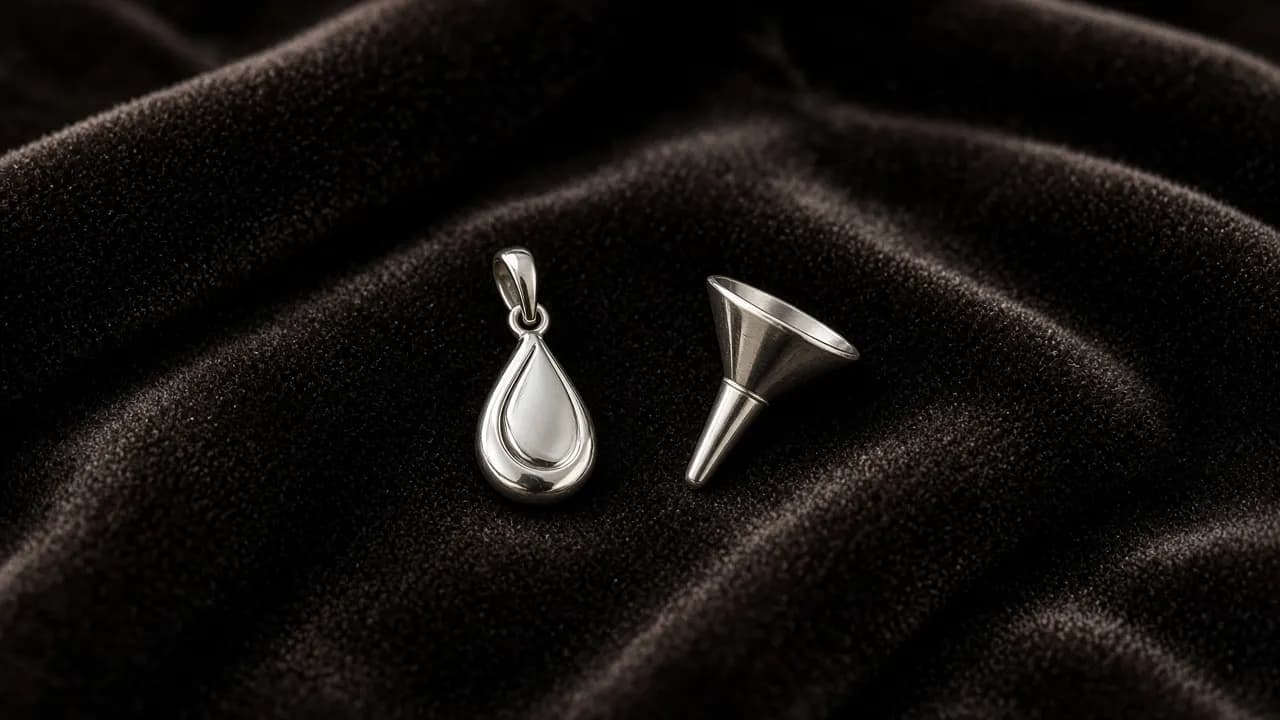
Jewelry ash capacity guide
How much ash fits in pendants, rings and glass, and how many pieces one pet can fill.
Memorial budget planner
Add up cremation, urn, keepsakes and a farewell so the total holds no surprises.
Questions people ask
Can you take a paw print after a pet has died?
Yes. At home you usually have a few hours before the legs stiffen and pressing becomes harder, so clay or an inkless kit is easiest early on. If your pet is with a vet or crematory, ask them to take the print before cremation and confirm it when you book. Once cremation has happened, a new print is no longer possible.
Is clay or ink better for a paw print?
Clay gives you a 3D object to hold and suits display. Ink or inkless prints are flat, frame well and are what jewelers and engravers need to work from. Many families take both: a clay print for the shelf and a flat print to scan. Long-furred paws usually do better with inkless kits or deep foam.
How do I get my dog's nose print?
Wipe the nose dry, then dab a thin layer of pet-safe ink onto it with a sponge or use an inkless wipe. Curve a piece of card gently around the nose and press once without sliding. Expect a few attempts before one is crisp. Wipe the nose clean afterwards so your dog doesn't lick the ink.
Can I get a print from a rabbit or a bird?
Yes, but expect a different look. Rabbits have furry soles with no pads, so clay shows the foot's shape rather than beans, and ink gives a soft outline. Small birds print more cleanly on very soft clay or inkless paper. Keep inks and aerosol sealers well away from birds, whose lungs are sensitive to fumes.
How long does a clay paw print last?
Properly dried and sealed, a clay print can last for decades. The main risks are drying too quickly, which causes cracks, and damp, which softens air-dry clay. Dry it slowly, seal it with a matte acrylic sealer, and keep it away from bathrooms and sunny windowsills.
Can my pet's paw print be put on jewelry?
Yes. Send the maker a clear, high-resolution scan or photo of a flat ink or inkless print, and they can engrave or cast it. Clay prints can be photographed straight down in soft light too. Some pieces also hold a small pinch of ashes behind the design.
Keep reading

Print keepsakes we can help arrange
Home kits, vet and crematory prints, casts, engraving and art.

Getting prints before the window closes
When to ask, and who to ask, for a paw or nose print.
Which print method suits your pet?
Three questions, one recommended method and tips.
What other owners chose
Live results from our paw print polls.
Sources and our estimates
- [1] 75.4% of RSPCA pet-loss survey respondents experienced anticipatory grief before their pet died. RSPCA — Pet Loss Survey Results, 2026.
- [2] Market.us reports that about 56% of pet owners choose memorial services for their pets. Market.us — Pet Funeral Services Market report page, 2024.
- [3] Embrace notes cremated remains typically weigh about 3-5% of the pet's original body weight. Embrace Pet Insurance - Bury or Cremate Your Dog? Costs, Pros & Cons, 2025.
- [4] Fewer than half (47%) of UK cremation buyers recalled being told about a range of options, including communal cremation or home burial. UK Competition and Markets Authority - Veterinary services for household pets, Provisional decision report Part A (Oct 2025), 2025.
- [5] Paw-print add-ons at US crematories have a median price of about $32, from $10 to $76. Our estimate: median of [$10 clay (AGP), $15 laser engraving (AGP), $49 ink (Final Gift), $76 clay (Final Gift)]. How we calculate.
Get help arranging a paw print near you
Tell us what you need and where you are. We'll reply by email with clear options and prices so you can decide in your own time.