Want a paw print to keep? Find out what to settle first
At some crematories a clay paw impression is just a $10 add-on[1], but it has to be taken before cremation. This quick quiz helps you sort out what to ask for, and when.
- Three taps, about a minute
- Flags timing before the window closes
- Copy the result or take it to the worksheet
Paw Print Keepsakes & Memorial Impressions · planning preferences
Paw print keepsakes: choose your next question
Use Paw Print Keepsakes & Memorial Impressions to choose your next paw print keepsakes question, wherever you are worldwide. Select one guide topic, one detail to clarify and your current planning stage. The result repeats your choices and links to that guide. It does not estimate a price or confirm an arrangement.
Your choices stay in this page’s memory. They are shared only if you choose to send an email draft. Clear them below or reload to start again.
Prefer to ask our team directly?Question 1 of 3
Which decision would you like to explore first?
Paw Print Keepsakes & Memorial Impressions organizes this worldwide paw print keepsakes selector around four guide topics. Choose the question closest to what you want to understand first. The next two choices identify one detail and your planning stage. You can change the topic later; selecting it does not submit an inquiry or authorize any arrangement.
Using the quiz
How the paw print quiz works
The quiz above asks three questions. First, which topic you'd like to explore: getting prints before the window closes, comparing clay, ink, metal and glass formats, involving children in print-making, or displaying prints with engraved tags. Second, which detail you most want to clarify, such as who will actually take the print, or how many attempts they'll make. Third, how far along you are.
Your result names the guide to read next and suggests one step based on your stage. It doesn't pick a product or a price. Your answers stay on this page unless you copy them or open an email draft, and you can go back or clear them at any time.
If you're planning ahead for an older pet, the quiz is just as useful. Choosing the "read first" stage points you to guides you can explore slowly, and many families find that taking a print while their pet is still healthy and relaxed gives a cleaner result than one taken at the clinic. It also turns a practical job into a quiet afternoon together. US dogs have an average life expectancy at birth of 12.69 years[2] in a large study of Banfield hospital records, so a print taken at the senior stage usually comes well before it's needed.
If time is short
If cremation is soon, timing comes before everything else
In the quiz, choosing "capture date and responsible person" is the right pick if you're short on time. It points you to our guide on getting paw and nose prints before the window closes, which covers what to say to the clinic and how to take a simple print yourself if needed.
When did (or will) you take your pet's print?
Tap an answer to vote and see how others answered. Anonymous.
The main choice
Clay, ink, a cast or a scan
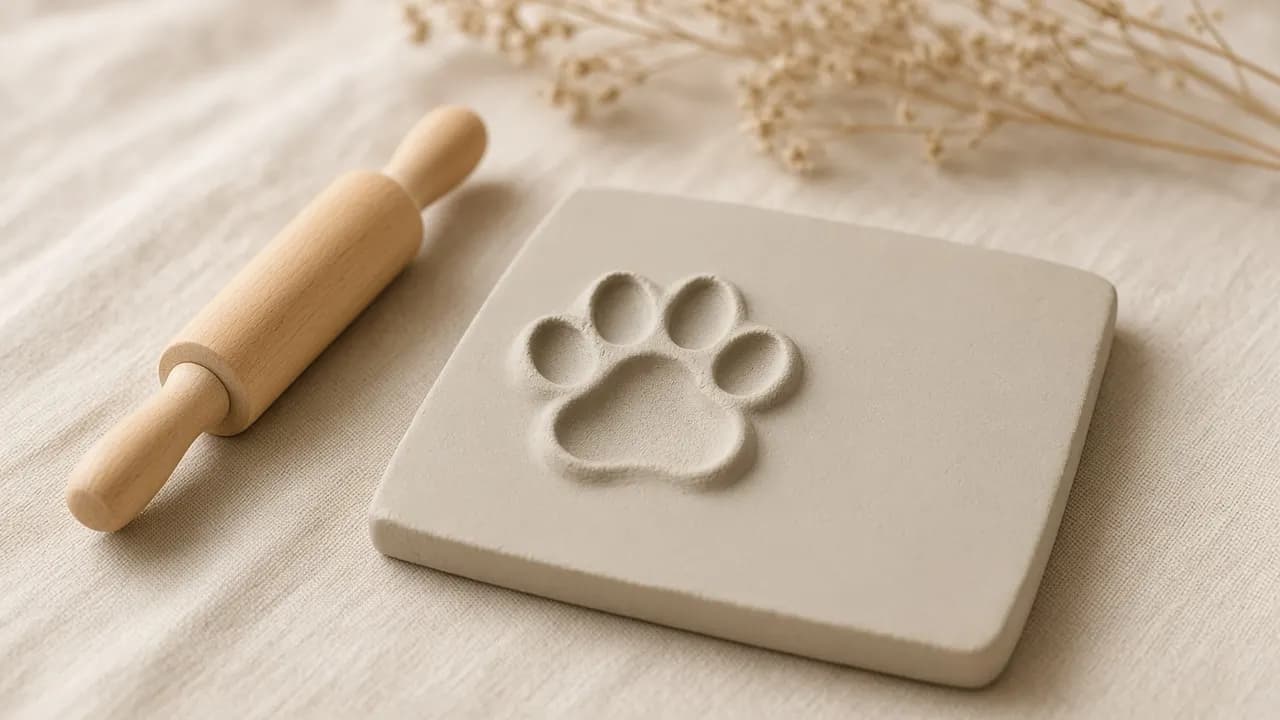
Ink prints are flat and clear, good for framing, tattoos and jewelry engraving. Clay impressions are 3D and tactile. Resin or plaster casts capture the whole paw pad in detail. Prices vary widely: at one Arizona provider, a clay paw impression is a $10 add-on[1]; a Northeast US network charges $49–$133[3] from a plain ink print to a framed clay print with a fur clipping; and a UK studio charges from £120[4] to cast a small dog's paw pads in resin. Across four posted crematory prices, the median paw-print add-on works out to ~$32[5] by our estimate.
Free tool
Paw print keepsake chooser
Match a print method to your pet's size, fur and the keepsake you want to keep.
The paw print kit chooser suggests a method based on your pet's size, fur and what you'd like to make. Our comparison of clay, ink, metal and glass prints goes into durability and detail. Our services page explains who can take each type for you.
Paw, nose or more
Paw, nose, hoof or foot: which impression to take
For dogs and cats, the choice is usually paw or nose. A nose print is as individual as a fingerprint and looks striking engraved on a pendant. Rabbits and guinea pigs have furry feet that print faintly, so a clay impression often works better than ink. Horses leave hoof impressions in clay or plaster, and birds' feet are delicate enough that many families prefer a photograph or scan. The poll results show how other readers split between paw and nose.
Paw print or nose print?
Tap an answer to vote and see how others answered. Anonymous.
Making sure it happened
Confirming the print was taken, and checking the name
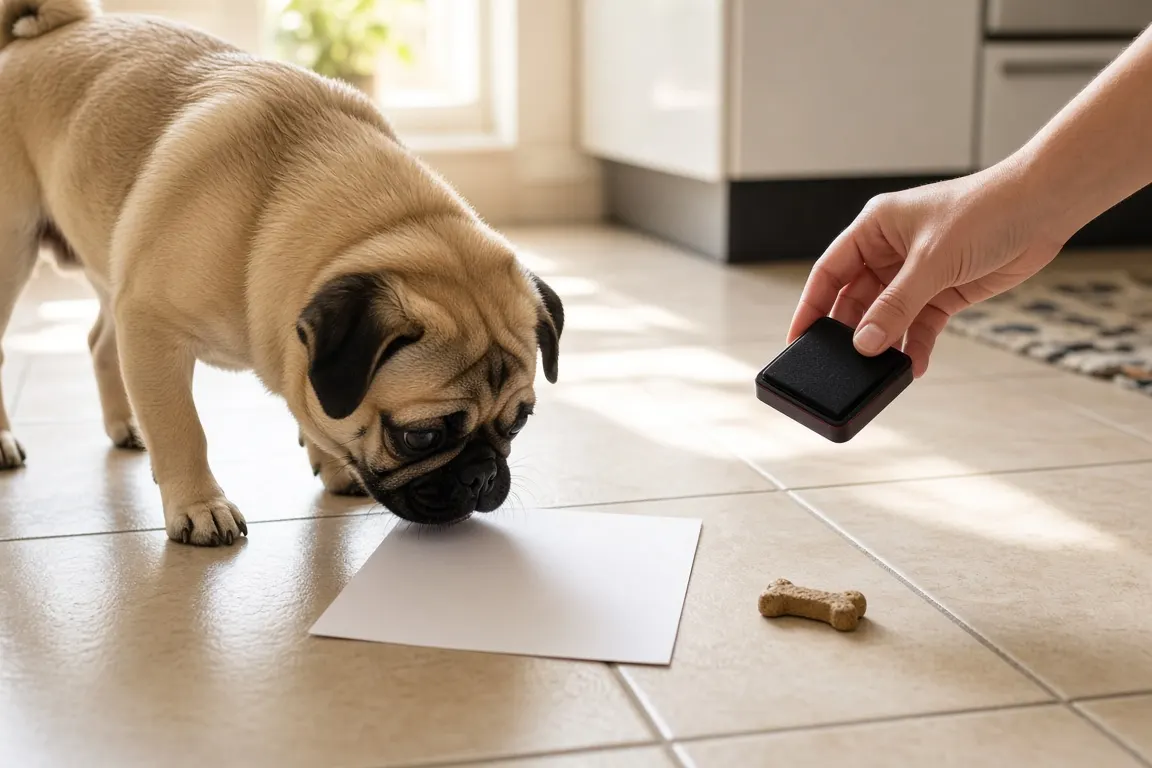
Some cremation packages include a paw print. One Virginia provider bundles a print and a fur clipping into private cremation packages costing $189–$300[6]. Even so, it's worth asking for confirmation, such as a photo of the impression, before your pet is cremated, since an original can't be recaptured. What's included varies by area, so our local pages note what to ask nearby.
If a name or date will be added, ask for a proof. Our paw print checklist covers capture, identification, proof and return in order.
Identification matters more than people expect. At a busy clinic or crematory, several prints may be drying at once. Ask that your pet's name be written on the back of the card or pressed into the edge of the clay, and check it when the keepsake comes home. If anything looks unfamiliar, raise it straight away while there's still time to ask.
Afterward
Copies, jewelry and keeping the original safe
Once you have an original, scan or photograph it in good light straight away. A digital copy lets you order jewelry, frames or a tattoo design later without risking the original. A custom sterling silver charm made from an actual paw print costs about $143 before the chain[7], and ready-made paw and nose print pendants at one large retailer start from $99.95[8].
Clay and ink both need care: keep them out of damp and direct sun. Our post on caring for original ink and clay prints has simple storage tips. The Library of Congress recommends a cool, fairly dry, stable spot away from bright light for treasured paper, and ink prints are no different.
Displaying a print alongside a collar tag or a favorite photo is a simple way to make it part of your home. The guide to displaying prints and pairing engraved tags shows several arrangements that work for small spaces.

Reader polls
What would you choose?
Vote anonymously and see how other readers answered. The results are live counts from people who visit this site, so they show real opinions, not a scientific sample.
If you could keep one kind of print from your pet, which would it be?
Tap an answer to vote and see how others answered. Anonymous.
When did (or will) you take your pet's print?
Tap an answer to vote and see how others answered. Anonymous.
Which memorial feels most like your pet?
Tap an answer to vote and see how others answered. Anonymous.

Questions people ask
Can I still get a paw print after my pet has been cremated?
Not an original impression. If you already have a photo or earlier print, it can be turned into copies, jewelry or art. If your pet hasn't been cremated yet, contact the vet or crematory right away and ask for a print.
Does the quiz order a paw print for me?
No. It only helps you decide which detail to clarify first and links to a guide. Nothing is sent to a vet or crematory. For options near you, send the form and we'll reply by email.
Is ink or clay better for a paw print?
It depends on what you'll do with it. Ink gives a clear flat image for framing or engraving. Clay gives a 3D keepsake you can hold. Some families ask for both, since each takes only a few minutes.
Can children help make a paw print?
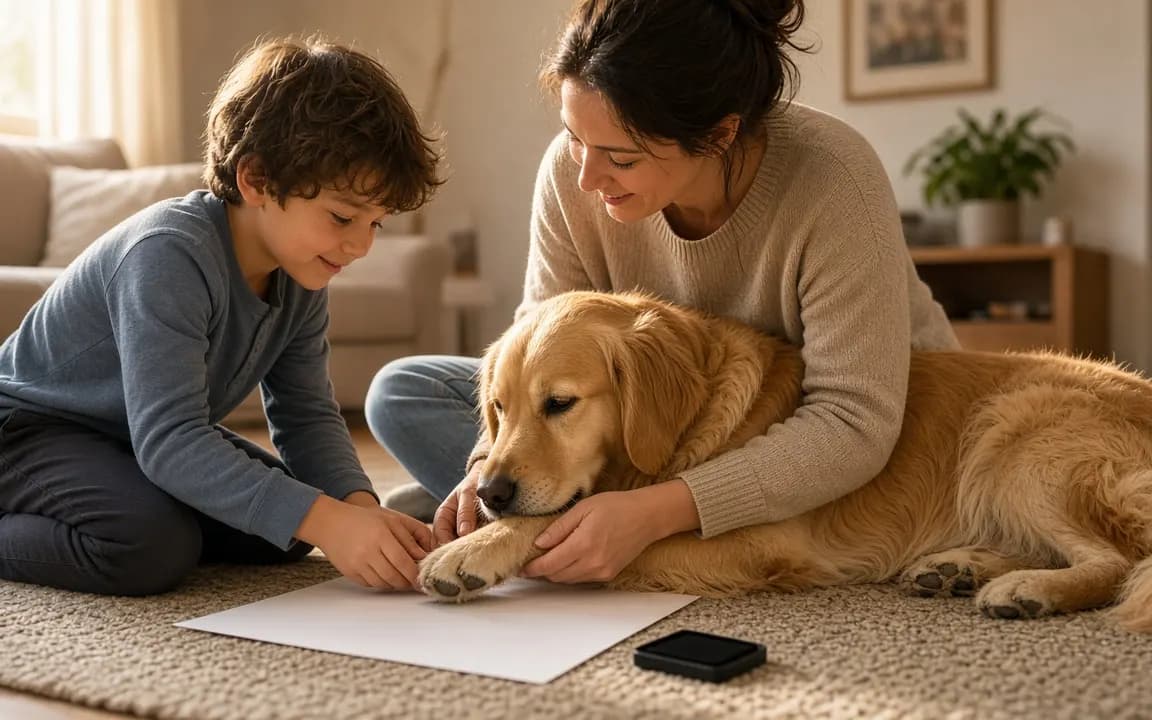
Yes, if they'd like to. Pressing clay or holding the paper can be a meaningful job. Offer it as an option, not an expectation, and let an adult handle the paw if your pet has died.
How many copies of a paw print should I ask for?
Think about who else might want one: children, a partner, grandparents. Asking for two or three originals at the time is easier than copying later, and a good scan covers any extra copies.


Sources and our estimates
- [1] Memorial add-ons at A Greener Place: $15 laser-engraved paw print, $10 clay paw impression, $10 nose print, $5 fur clipping. A Greener Place Pet Aquamation – Pricing, 2026.
- [2] US dogs have an average life expectancy at birth of 12.69 years. Montoya et al. 2023, Frontiers in Veterinary Science - Banfield Pet Hospital life expectancy tables (13.3 million dogs, 2.4 million cats, 2013-2019), 2023.
- [3] Final Gift charges $49 for ink paw prints, $76 for a clay or silver-clay paw print, $111 framed, and $133 framed with a fur clipping; a fur clipping alone costs $23. Final Gift Pet Memorial Center – Memorial Products, 2026.
- [4] Brighton Body Casting in the UK charges from about £120 to cast a small dog's paw pads in resin; medium and large breeds cost about 1/5 and 1/3 more. Brighton Body Casting – Pets, 2026.
- [5] Paw-print add-ons at US crematories have a median price of about $32, from $10 to $76. Our estimate: median of [$10 clay (AGP), $15 laser engraving (AGP), $49 ink (Final Gift), $76 clay (Final Gift)]. How we calculate.
- [6] Heavenly Paws Cremations in Chantilly, Virginia, sells private cremation packages at $189 (temporary container), $225 (wooden urn) and $300 (wooden photo urn), each including a paw print and fur clipping. Heavenly Paws Cremations – Packages, 2026.
- [7] A custom sterling silver actual-paw-print charm costs $143 before the chain (about $59–$79 for silver) and takes about 2 weeks to make. String of Jewels – Actual paw print necklace, 2026.
- [8] Paw print and nose print pendants at Memorials.com start at $99.95. Memorials.com – Pet print jewelry, 2026.
Get paw print keepsake options
Tell us what you need and where you are. We'll reply by email with clear options and prices so you can decide in your own time.