Getting your pet's paw print in Augusta
Roughly 590 dogs and cats die in Augusta each year, by our estimate, and many owners only think of a paw print afterwards. Here's how to make sure yours is taken in time.
- Take the print before cremation
- Clay, ink or cast, explained simply
- Published prices, no guesswork
Augusta, Maine
Arranging a paw print around Augusta
Augusta's older houses often have deep porches, small gardens and window seats that make natural homes for a keepsake. A carved box on a sill, a small bronze urn, or a ceramic tile stamped with a paw fits easily into rooms like these. Families with more land may choose a granite stone under a maple, placed where snow slides off rather than piling up all winter.
Central Maine's frost heave, deep snow and road salt are rough on anything left outdoors. Solid granite and bronze plaques will look the same in thirty years; painted wood and bargain resin fail within a few. For a biodegradable tree urn, plant in late May or early June when the soil has warmed, and pick a tough local tree, perhaps white spruce or serviceberry.
Small towns rarely have a pet memorial shop, but they nearly always have someone who engraves: a monument company that letters headstones, a trophy and awards shop, or a sign maker with a laser. Many will engrave a paw print from a clean scan onto slate, wood, metal or a garden stone. Take them a photo of your pet's print and ask whether they can reproduce the real pad shapes, not a generic clip-art paw.
Augusta's population is around 19,155, the 10th-largest of the 13 Maine communities we cover.
If you want to compare providers, look at Waterville (15 miles), Lewiston (29 miles, a larger centre) and Auburn (31 miles). Distance matters because pickup fees and the time until the ashes come back both grow with the drive.
Our estimate
7,050
Estimated dog- or cat-owning households in Augusta
How we calculated this
19,155 ÷ 2.5 = 7,662 households; × 53% (dog) + 39% (cat) = 7,050. Multi-pet homes count once.
Our estimate
590
Estimated dog and cat losses in Augusta each year
How we calculated this
7,050 dog/cat-owning homes ÷ average lifespan (dog: 12.69 yrs + cat: 11.18 yrs) ≈ 590 a year. Treat it as a minimum.
53%[1]
53% of US households own a dog, which is about 71 million households.
12.69 years[2]
US dogs have an average life expectancy at birth of 12.69 years.
39%[3]
39% of US households own a cat, which is about 53 million households.
11.18 years[4]
US cats seen at Banfield hospitals have an average life expectancy at birth of 11.18 years.
The numbers above come from American Pet Products Association (APPA) 2025 State of the Industry and Montoya et al. 2023, Frontiers in Veterinary Science, if you'd like to read the original sources.
Burial, cremation and paw prints in Maine
Cremation accounts for about 74.7%[5] of human deaths in Maine, so many households already have a shelf or cabinet where family ashes and photos sit. A pet's print tends to join that shelf. That's worth knowing before you choose a format: a clay disc needs a small stand, an ink print suits a frame the same size as your photos, and a print engraved straight onto the urn saves space altogether.
The Maine figure comes from Direct Cremate (citing CANA) (2024). It describes people, not pets, so read it as a sign of local attitudes rather than a pet statistic.
Clay, ink and the local climate
Clinics and crematories in and around Augusta often keep pets in cold storage before cremation, especially in January, February, March, November and December when collection runs can be delayed by weather. That doesn't prevent a print, but it helps to ask before your pet goes into the cooler. A quick print while the paw is still soft is far easier than one taken later from a cold, stiff paw.
Plaster and cold don't mix well. Plaster sets more slowly in a cold room, and if the water in it freezes before it cures, the cast turns chalky and crumbles. In January, February, March, November and December, mix plaster with lukewarm water, let it set somewhere warm indoors and never leave a curing cast in a car, porch or shed overnight. The same goes for air-dry clay.
Budgeting for a print and what it becomes
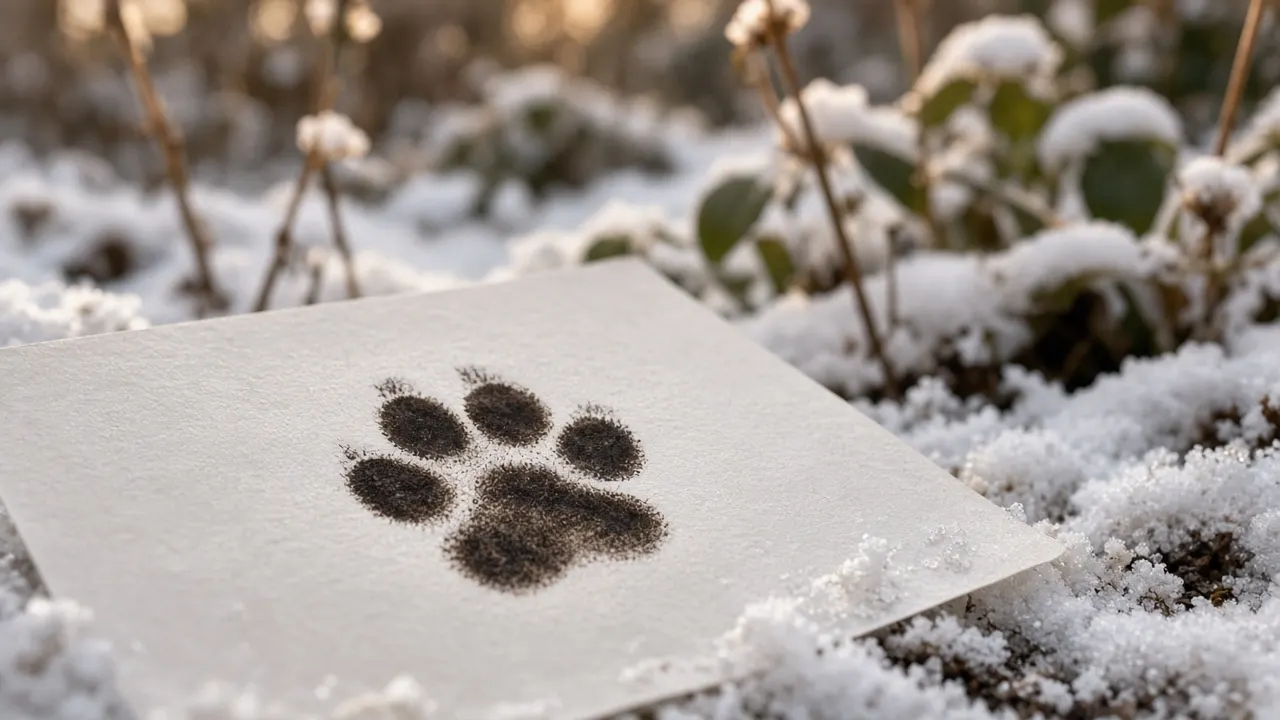
Some providers include the print in the package. A Virginia crematory, for example, includes a paw print and a fur clipping with every private cremation package, which run $189–$300[6]. Others charge separately: a Northeast crematory network lists $49 for ink paw prints, $76 for a clay or silver-clay print and $111 framed[7]. When you compare quotes in Augusta, check which approach each provider takes.
Prices for Augusta track the wider Maine market, so use the Maine price table as your baseline and the services page to see what is included.

Free tool
Memorial budget planner
Add up cremation, urn, keepsakes and a farewell so the total holds no surprises.
What the law in Maine does and doesn't cover
You don't need anyone's permission to take your pet's paw print, and prints, casts and ashes jewelry can be kept, posted or carried anywhere. The rules that matter in Maine are about burial and scattering. If you plan a home burial, take the print before you begin; if you plan to scatter, keep some ashes back for a print pendant first.
Not sure which office covers Augusta? The Maine local government directory is the official list.
The Maine page sets out who oversees pet cremation and what the state says about burial and scattering. Augusta's own bylaws can sit on top of that, so ask before you dig.
A short checklist for a clean print
- For a horse, have the farrier out beforehand to trim the hoof and tidy it up. Clean the sole thoroughly and let it dry.
- Press the hoof into a thick slab of clay laid on a board, or paint the sole with non-toxic paint and press it onto heavy card. Have someone hold the foot steady.
- Keep the last shoe and a length of tail or mane hair, since plenty of owners later have the hair plaited or cast in resin.
- For a bird or a very small pet, choose the softest clay or an inkless sheet, and barely press at all. Clay picks up tiny toes best.
- For a fluffy cat or rabbit, go inkless so nothing ends up on fur they'll wash later; for rabbits especially, clay captures the long, narrow foot well.
- Dry and store every print indoors, then take a photo so any maker can use the picture, not the original.
Remembering your pet through their print
The Kennebec River Rail Trail between Augusta and Gardiner is familiar to many residents, following the water through woods and past old mill sites. Some families remember a pet there with an anniversary stroll, pausing at a favorite bench. Scattering on trail or park land usually needs a green light from whichever agency manages it. Many people simply leave the ashes indoors, close by.
try the free planning tools, Compare every option on our services page, the guides answer the longer questions and the blog the newer ones, or see what other families chose in the poll results. If you live between Augusta and Sanford, Auburn, Portland and South Portland, either page applies. Every other community in Maine, and all of the United States, is listed too.

Reader polls
What would you choose?
Vote anonymously and see how other readers answered. The results are live counts from people who visit this site, so they show real opinions, not a scientific sample.
Who would you rather take the print?
Tap an answer to vote and see how others answered. Anonymous.
Where would your pet's print live?
Tap an answer to vote and see how others answered. Anonymous.
If you had to decide today, which aftercare would you choose for your pet?
Tap an answer to vote and see how others answered. Anonymous.

Free tools to help you plan
Memorial budget planner
Add up cremation, urn, keepsakes and a farewell so the total holds no surprises.
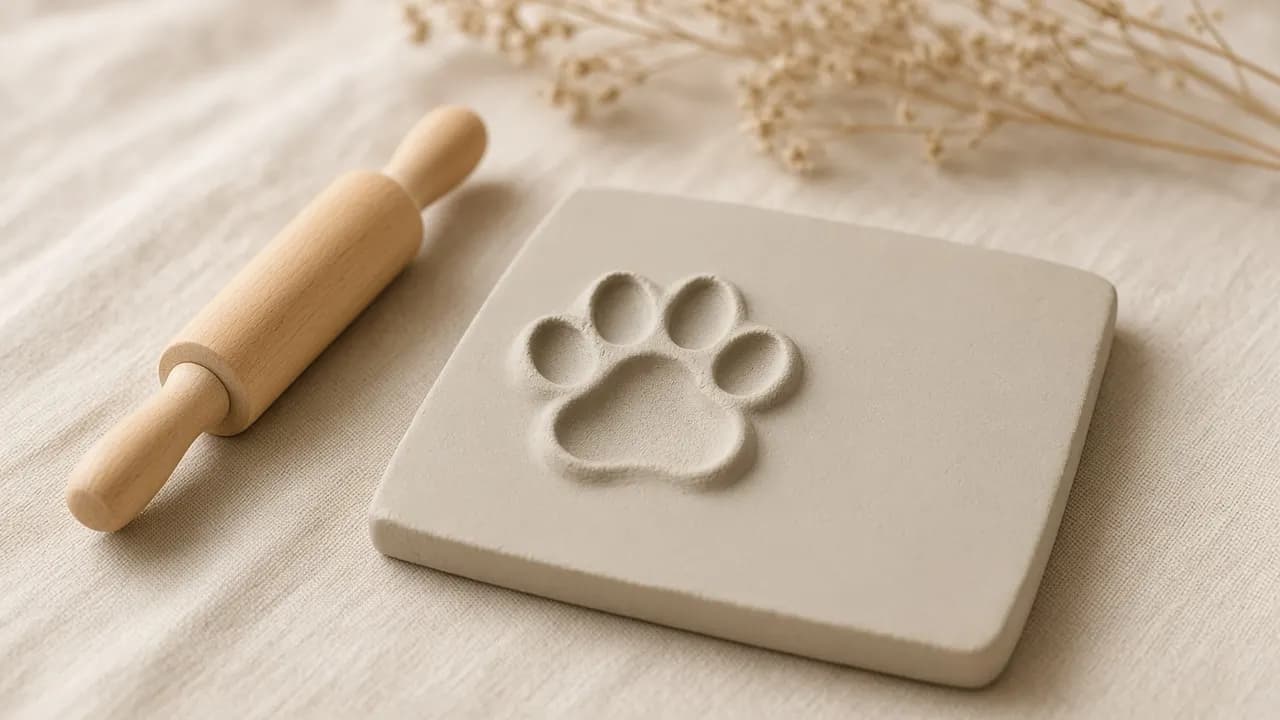
Paw print keepsake chooser
Match a print method to your pet's size, fur and the keepsake you want to keep.
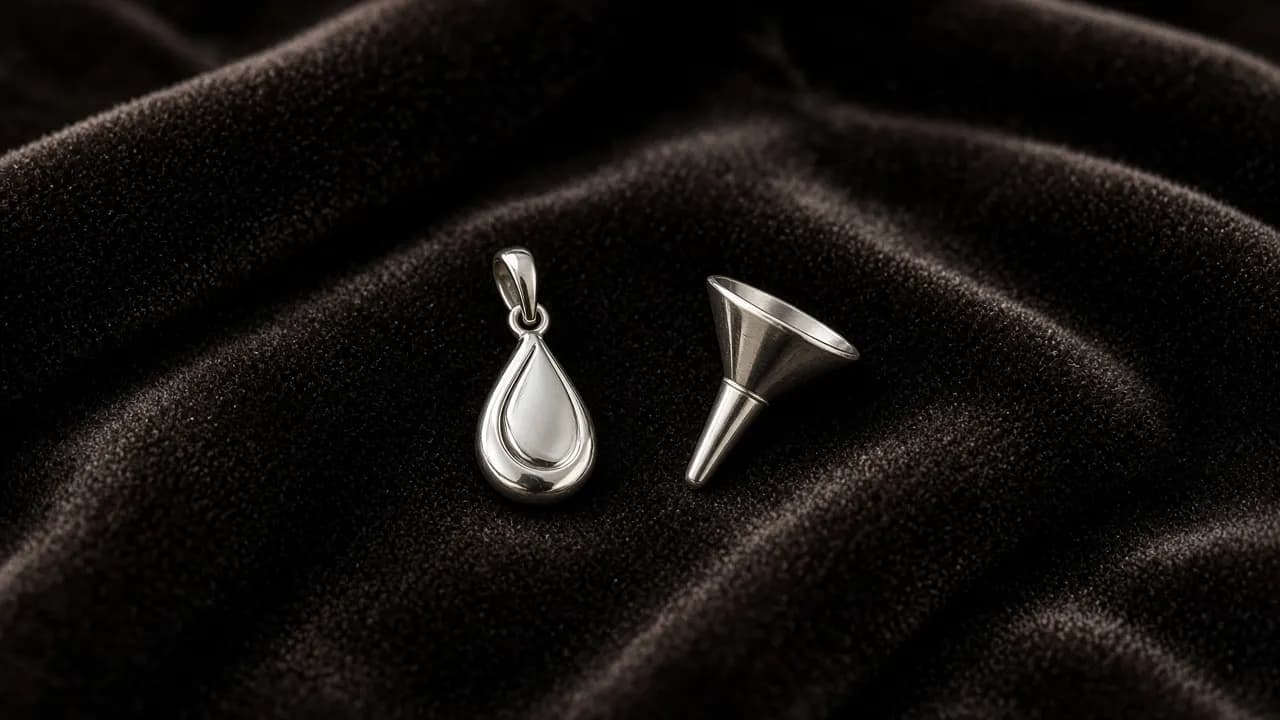
Jewelry ash capacity guide
How much ash fits in pendants, rings and glass, and how many pieces one pet can fill.
Questions people ask
Can a provider from a neighbouring town collect from Augusta?
Usually yes. Waterville is about 15 miles away, Lewiston is about 29 miles away and Auburn is about 31 miles away, all inside a normal collection radius. Get the mileage written into the quote so there is no surprise on the day.
Why does the Augusta page quote a human cremation rate?
Because it is the best local signal we have. Direct Cremate (citing CANA) (2024) reports about 74.7%[5] of Maine residents are cremated. There is no official pet equivalent, and inventing one would be worse than quoting a real, clearly labelled number.
When is the hardest time of year to arrange a burial in Augusta?
January, February, March, November and December: average lows are below freezing then, and frozen ground makes a home grave slow or impossible until it thaws. The other pressure point is July, when highs around 80°F mean a body needs cooling and collecting quickly.
Roughly how many pets die in Augusta each year?
Our estimate is around 590. It comes from Augusta's population (about 19,155), the average household size, the share of homes with a dog or cat (about 7,050 households here) and the average lifespan. It is arithmetic, not a count, so read it as a rough floor.
How many households in Augusta have a dog or cat?
By our estimate, about 7,050 households in Augusta have a dog or a cat, and around 590 dogs and cats are lost there each year. We calculate this from the city's population, average household size and national pet ownership and lifespan figures. The method is shown on this page.
Can I post a clay paw print in winter?
Yes, but wrap it well. A fully dried and sealed clay print is sturdy, but freezing temperatures in a delivery van can crack one that's still slightly damp. Make sure it's completely dry, wrap it in bubble wrap inside a rigid box and avoid shipping over a weekend. Better still, send a scan if the maker accepts one.


Sources and our estimates
- [1] 53% of US households own a dog, which is about 71 million households. American Pet Products Association (APPA) 2025 State of the Industry, 2025.
- [2] US dogs have an average life expectancy at birth of 12.69 years. Montoya et al. 2023, Frontiers in Veterinary Science - Banfield Pet Hospital life expectancy tables (13.3 million dogs, 2.4 million cats, 2013-2019), 2023.
- [3] 39% of US households own a cat, which is about 53 million households. American Pet Products Association (APPA) 2025 State of the Industry, 2025.
- [4] US cats seen at Banfield hospitals have an average life expectancy at birth of 11.18 years. Montoya et al. 2023, Frontiers in Veterinary Science - Banfield Pet Hospital life expectancy tables (13.3 million dogs, 2.4 million cats, 2013-2019), 2023.
- [5] Maine had a 74.7% cremation rate in 2024, among the highest in the US. Direct Cremate (citing CANA), 2024.
- [6] Heavenly Paws Cremations in Chantilly, Virginia, sells private cremation packages at $189 (temporary container), $225 (wooden urn) and $300 (wooden photo urn), each including a paw print and fur clipping. Heavenly Paws Cremations – Packages, 2026.
- [7] Final Gift charges $49 for ink paw prints, $76 for a clay or silver-clay paw print, $111 framed, and $133 framed with a fur clipping; a fur clipping alone costs $23. Final Gift Pet Memorial Center – Memorial Products, 2026.
- [8] Around 765,000 U.S. families a year are likely open to a personalized pet keepsake. Our estimate: 1.5M pet cremations x 51% interest in personalized memorials. How we calculate.
Ask who takes paw prints in Augusta
Tell us what you need and where you are. We'll reply by email with clear options and prices so you can decide in your own time.