Paw print keepsakes in Tulsa
Tulsa has an estimated 155,000 dog- or cat-owning households. If yours is one of them, a print taken now, or before cremation, is the keepsake you can't go back for.
- Prints of senior pets while they're well
- Local finishing or mail-order makers
- Honest costs from real price lists
Tulsa, Oklahoma
Home, clinic or crematory: paw prints in Tulsa
Tulsa's weather is hard on outdoor memorials: summer sun fades paint, and hail and ice storms crack thin materials. Granite, slate and sealed stone hold up far better than painted wood or thin metal. In a yard, a memorial stone in a shaded bed or a biodegradable urn under a young redbud, Oklahoma's state tree, makes a lasting tribute, as long as it gets water in summer.
Tulsa's River Parks and the trails along the Arkansas River are places many families connect with their pets. The river is broad and its sandbars shift, so if you scatter ashes there, do it from a safe spot on the bank. Check the rules for city parks, and get the owner's blessing before using private land. Many people bring a small portion home for a keepsake.
If you'd like to compare, look a little further afield too. A ceramic studio, engraver or jeweler in Oklahoma City may be happy to turn your pet's print into a tile, a pendant or a framed piece. Many small makers take orders by email and post the finished work back, so distance matters less than whether you like their samples.
About 416,209 people live in Tulsa, which makes it the 2nd-largest of the 26 Oklahoma communities we cover.
If you want to compare providers, look at Sand Springs (8 miles), Jenks (11 miles) and Sapulpa (13 miles). Distance matters because pickup fees and the time until the ashes come back both grow with the drive.
Our estimate
155,000
Estimated dog- or cat-owning households in Tulsa
How we calculated this
416,209 ÷ 2.5 = 166,484 households; × 53% (dog) + 39% (cat) = 155,000. Multi-pet homes count once.
Our estimate
13,000
Tulsa families who lose a dog or cat each year (estimate)
How we calculated this
155,000 dog/cat-owning homes ÷ average lifespan (dog: 12.69 yrs + cat: 11.18 yrs) ≈ 13,000 a year. A floor, not a ceiling.
53%[1]
53% of US households own a dog, which is about 71 million households.
12.69 years[2]
US dogs have an average life expectancy at birth of 12.69 years.
39%[3]
39% of US households own a cat, which is about 53 million households.
11.18 years[4]
US cats seen at Banfield hospitals have an average life expectancy at birth of 11.18 years.
Sources for the statistics above: Montoya et al. 2023, Frontiers in Veterinary Science and American Pet Products Association (APPA) 2025 State of the Industry.
Ashes, graves and the print that comes first
About 58.6%[5] of people in Oklahoma are cremated, so cremation and burial are both common. Pet owners are split the same way: some bury at home or in a pet cemetery, others choose cremation. Either way, a print should be taken first. With a burial you usually have more time and can do it yourself; with cremation, ask the vet or crematory when you book.
We take the Oklahoma rate from NFDA 2024 Cremation & Burial Report state projections (via Occasional Sage) (2024). It is a human statistic; there is no equivalent pet figure for Tulsa, and we would rather show a real number than invent one.
Weather in Tulsa and your pet's print
In the hot months, take prints in a cool, air-conditioned room and dry the paw first so ink doesn't smudge. In January, when lows average about 28°F, warm the clay in your hands and keep plaster work indoors. A pet who has been in cold storage will have firm pads, so press the clay gently onto the paw instead of the other way round.
Tulsa gets both extremes: highs around 94°F in July, and average lows at or below freezing in January, February and December. Each season has its own risk for a print. In summer, air-dry clay can crack from drying too fast; in winter, plaster and clay can be ruined if they freeze before they've set. Whatever the month, dry and cure prints indoors, at room temperature, on a rack.
What paw print keepsakes cost in Tulsa
The print itself is cheap; what you turn it into is where the budget goes. At one urn retailer, an engraved paw print added to an urn typically costs $20–$35[6] and paw and nose print pendants start from $99.95[7]; a custom sterling silver charm made from your pet's actual print costs about $143 before the chain[8]. Custom silver print charms from one crematory network run $290 to $420[9].
Rather than repeat the price table on every city page, we keep one for Oklahoma: Oklahoma costs. What each service includes is on the services page.
Free tool
Memorial budget planner
Add up cremation, urn, keepsakes and a farewell so the total holds no surprises.
What the law in Oklahoma does and doesn't cover
You don't need anyone's permission to take your pet's paw print, and prints, casts and ashes jewelry can be kept, posted or carried anywhere. The rules that matter in Oklahoma are about burial and scattering. If you plan a home burial, take the print before you begin; if you plan to scatter, keep some ashes back for a print pendant first.
Tulsa's own guidance is published by City of Tulsa Refuse & Recycling; it covers public collection, which is separate from arranging a private cremation. To find your county or city office in Oklahoma, start with the official Oklahoma local government directory.
For Oklahoma's rules on burying a pet at home or scattering ashes, see the Oklahoma guide. Local rules in Tulsa can be stricter than the state's, especially in homeowners' associations and rentals.
How to make sure a print is taken in time
- Mention the print when you book the euthanasia appointment or cremation, not on the day. Ask for it to be written on the aftercare form.
- Ask what kind they take: some clinics do clay only, some ink, some both. If there's any chance you'll want jewelry made, request an ink or inkless version too.
- Ask for two copies if more than one person in the family would like one.
- Ask to see or photograph the print before your pet leaves the clinic, so it can be retaken if it's smudged.
- Check how it comes back: in your hands the same day, or alongside the ashes later, and what name goes on it.
- Keep the paperwork so you can match the print, the ashes and the invoice when they arrive.
Remembering your pet through their print
Burial has long been common in Oklahoma, but cremation has become more usual, and keeping ashes at home is now familiar to many Tulsa families. For a pet, that might be an urn on the mantel, a cedar box, an ink paw print, or a charm holding a small amount of ashes. Several small containers let adult children in different towns each keep a share.
try the free planning tools, read our guides and latest articles, or compare your instinct with the poll results, The services page is the place to compare what is included. If you live between Tulsa and Edmond, Moore, Broken Arrow and Midwest City, either page applies. Every other community in Oklahoma, and all of the United States, is listed too.

Reader polls
What would you choose?
Vote anonymously and see how other readers answered. The results are live counts from people who visit this site, so they show real opinions, not a scientific sample.
Who would you rather take the print?
Tap an answer to vote and see how others answered. Anonymous.
What worries you most about taking a print yourself?
Tap an answer to vote and see how others answered. Anonymous.
If you had to decide today, which aftercare would you choose for your pet?
Tap an answer to vote and see how others answered. Anonymous.

Free tools to help you plan
Memorial budget planner
Add up cremation, urn, keepsakes and a farewell so the total holds no surprises.
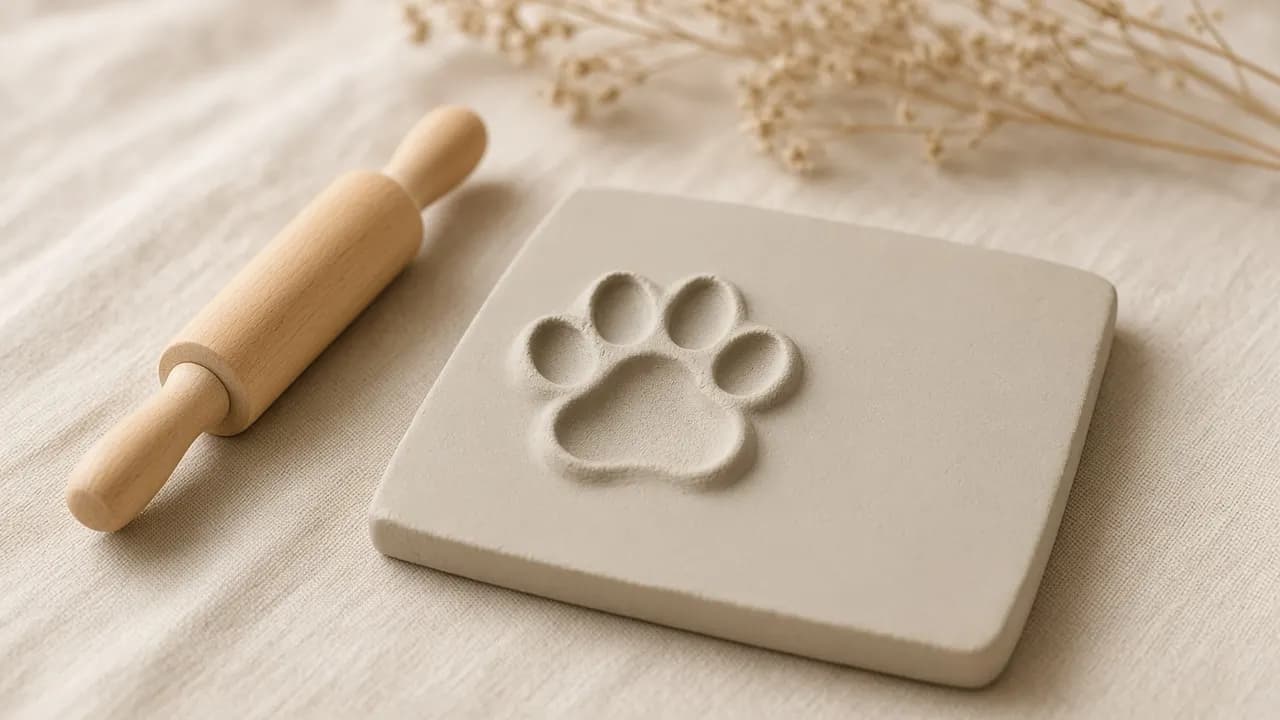
Paw print keepsake chooser
Match a print method to your pet's size, fur and the keepsake you want to keep.
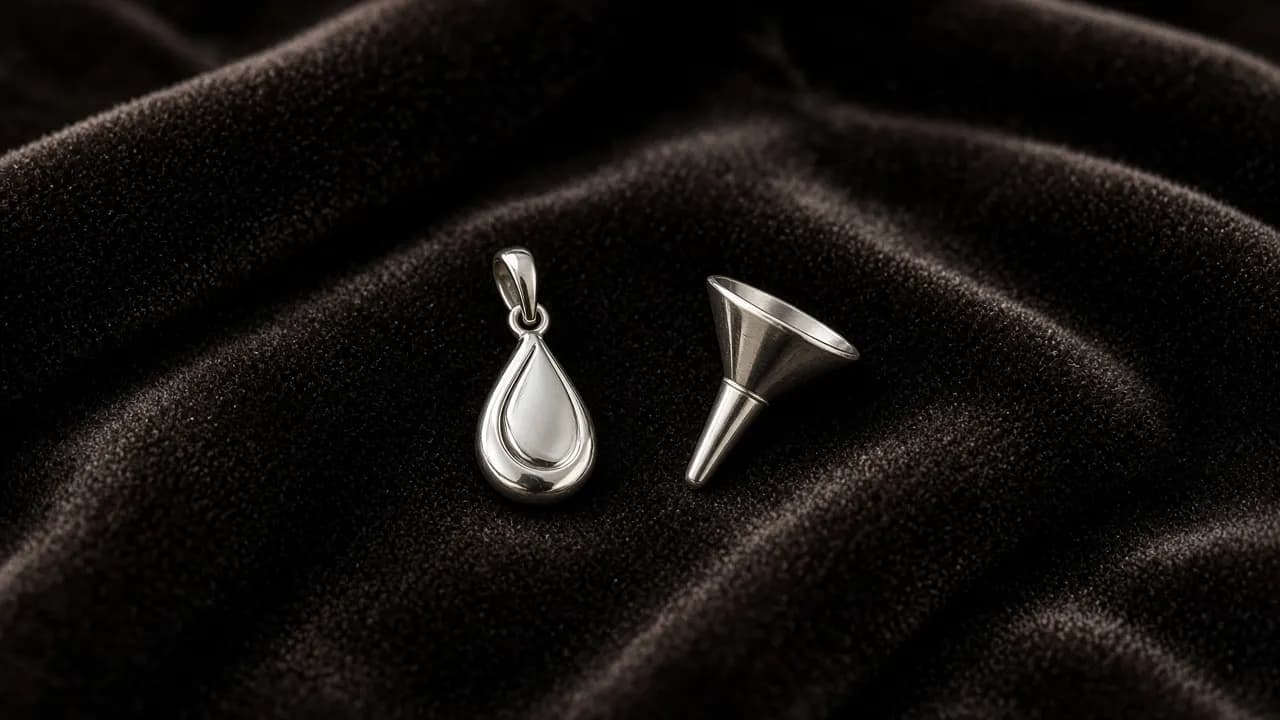
Jewelry ash capacity guide
How much ash fits in pendants, rings and glass, and how many pieces one pet can fill.
Questions people ask
Can a provider from a neighbouring town collect from Tulsa?
Usually yes. Sand Springs is about 8 miles away, Jenks is about 11 miles away and Sapulpa is about 13 miles away, all inside a normal collection radius. Get the mileage written into the quote so there is no surprise on the day.
Is Tulsa big enough to have several pet aftercare providers?
Probably, on the numbers. By our estimate about 155,000 Tulsa households keep a dog or cat and around 13,000 lose one each year, which is enough steady demand to support more than one provider. We derive that from population (about 416,209), household size and national ownership and lifespan figures.
Is cremation common in Oklahoma?
For people, yes: about 58.6%[5] of Oklahoma deaths end in cremation, according to NFDA 2024 Cremation & Burial Report state projections (via Occasional Sage) (2024). Nobody publishes the same figure for pets, but in our experience pet choices in Tulsa follow the human pattern closely, so cremation is the default most families here start from.
When is the hardest time of year to arrange a burial in Tulsa?
January, February and December: average lows are below freezing then, and frozen ground makes a home grave slow or impossible until it thaws. The other pressure point is July, when highs around 94°F mean a body needs cooling and collecting quickly.
Can I get a print of my bird's feet?
Yes, with care. Birds are light and their toes are delicate, so use very soft clay and the gentlest pressure, or an inkless kit with treated paper. Ink is best avoided because birds preen and may swallow it. An avian vet can help if your bird is nervous. The result is a lovely, delicate impression of the toes and scales.
Is it possible to print a guinea pig's or hamster's feet?
Yes, but it takes patience and a light touch. Tiny feet leave only faint marks in ink, so very soft modeling clay or an inkless kit usually works better. Warm the clay well, cradle your pet in a towel on your lap and press the clay gently up to the foot rather than lowering the foot. For a hamster, one clear hind foot is plenty. If your pet is frightened, stop; letting your vet take it after death is gentler.


Sources and our estimates
- [1] 53% of US households own a dog, which is about 71 million households. American Pet Products Association (APPA) 2025 State of the Industry, 2025.
- [2] US dogs have an average life expectancy at birth of 12.69 years. Montoya et al. 2023, Frontiers in Veterinary Science - Banfield Pet Hospital life expectancy tables (13.3 million dogs, 2.4 million cats, 2013-2019), 2023.
- [3] 39% of US households own a cat, which is about 53 million households. American Pet Products Association (APPA) 2025 State of the Industry, 2025.
- [4] US cats seen at Banfield hospitals have an average life expectancy at birth of 11.18 years. Montoya et al. 2023, Frontiers in Veterinary Science - Banfield Pet Hospital life expectancy tables (13.3 million dogs, 2.4 million cats, 2013-2019), 2023.
- [5] The NFDA projected Oklahoma's cremation rate at 58.6% for 2024. NFDA 2024 Cremation & Burial Report state projections (via Occasional Sage), 2024.
- [6] Adding an engraved paw print or symbol to a pet urn typically costs $20–$35. Memorials.com – Pet Urn Cost Guide, 2025.
- [7] Paw print and nose print pendants at Memorials.com start at $99.95. Memorials.com – Pet print jewelry, 2026.
- [8] A custom sterling silver actual-paw-print charm costs $143 before the chain (about $59–$79 for silver) and takes about 2 weeks to make. String of Jewels – Actual paw print necklace, 2026.
- [9] Final Gift's pet memorial jewelry runs from a $60 urn pendant to $290–$420 for custom sterling silver print charms, with glass ash beads at $245. Final Gift Pet Memorial Center – Memorial Products, 2026.
- [10] Published ashes-return times across the network's markets range from same-day (paid express) to about 4 weeks; a conservative typical window is 3-14 days. Our estimate: min/max across sources: Lambeth 3 days; US 5-10 days; RSPCA QLD within 14 days; AniCura Sweden 2-4 weeks. How we calculate.
Ask who takes paw prints in Tulsa
Tell us what you need and where you are. We'll reply by email with clear options and prices so you can decide in your own time.