Getting your pet's paw print in Cambridge
By our estimate, about 43,500 households in Cambridge share their home with a dog or cat. Every one of those paws can be pressed into clay or ink, ideally long before goodbye. Here's how.
- Ask for a print when you book
- Help for paws, noses and hooves
- We reply by email, no obligation
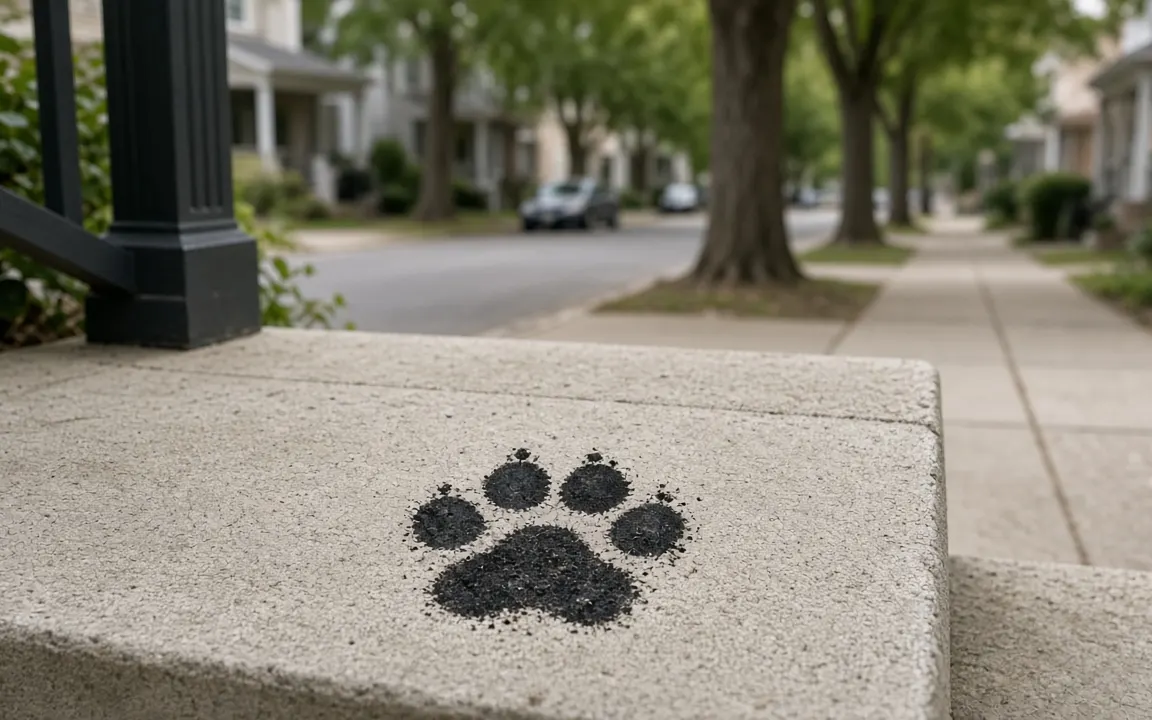
Cambridge, England
Who takes paw prints in Cambridge
In a city of flats, student rooms and small terraced gardens, many Cambridge residents choose memorials that are easy to keep and to move: a small urn, a paw print impression or a piece of cremation jewellery. Families with larger gardens in the surrounding villages may prefer an engraved stone or a planted shrub. If you're likely to move, pick something portable.
In Cambridge, as anywhere, the memorial can come later. Many Cambridge families bring ashes home in a simple container and decide later, once the first sharp grief has eased. Cambridge's international population often means relatives abroad, so some people divide ashes into small keepsakes to share. That pause also lets you compare quality and prices without pressure. Ask for a written price covering postage.
Some crematories and keepsake makers serving Cambridge are based a drive away, around Milton Keynes or along main roads out of town. That's normal, and it doesn't stop you getting a print. Clay prints travel perfectly well once they're dry, and most engravers, jewelers and artists work from a clear photo or scan, so the original never needs to leave your home.
With roughly 145,000 residents, Cambridge is the 21st-largest of the 33 England communities we cover. Some of the providers who serve Cambridge are based about 39 miles away in Milton Keynes, the nearest larger centre, so collection times reflect that drive.
Cambridge sits within easy reach of St Albans (37 miles), Milton Keynes (39 miles) and London (49 miles, a larger centre). A provider based in any of them will usually collect from Cambridge; ask what the mileage adds to the bill.
Our estimate
43,500
Estimated dog- or cat-owning households in Cambridge
How we calculated this
145,000 ÷ 2.4 = 60,417 households; × 41% (dog) + 31% (cat) = 43,500. Multi-pet homes count once.
Our estimate
3,550
dog and cat deaths per year in Cambridge, our estimate
How we calculated this
43,500 dog/cat-owning homes ÷ average lifespan (dog: 12.69 yrs + cat: 11.74 yrs) ≈ 3,550 a year. A floor, not a ceiling.
41%[1]
41% of UK households own a dog.
12.69 years[2]
US dogs have an average life expectancy at birth of 12.69 years.
31%[3]
31% of UK households own a cat.
11.74 years[4]
UK cats have a life expectancy at birth of 11.74 years.
The published sources behind those figures are Montoya et al. 2023, Frontiers in Veterinary Science and Teng et al. 2024, Journal of Feline Medicine and Surgery.
How England thinks about cremation, and why prints matter
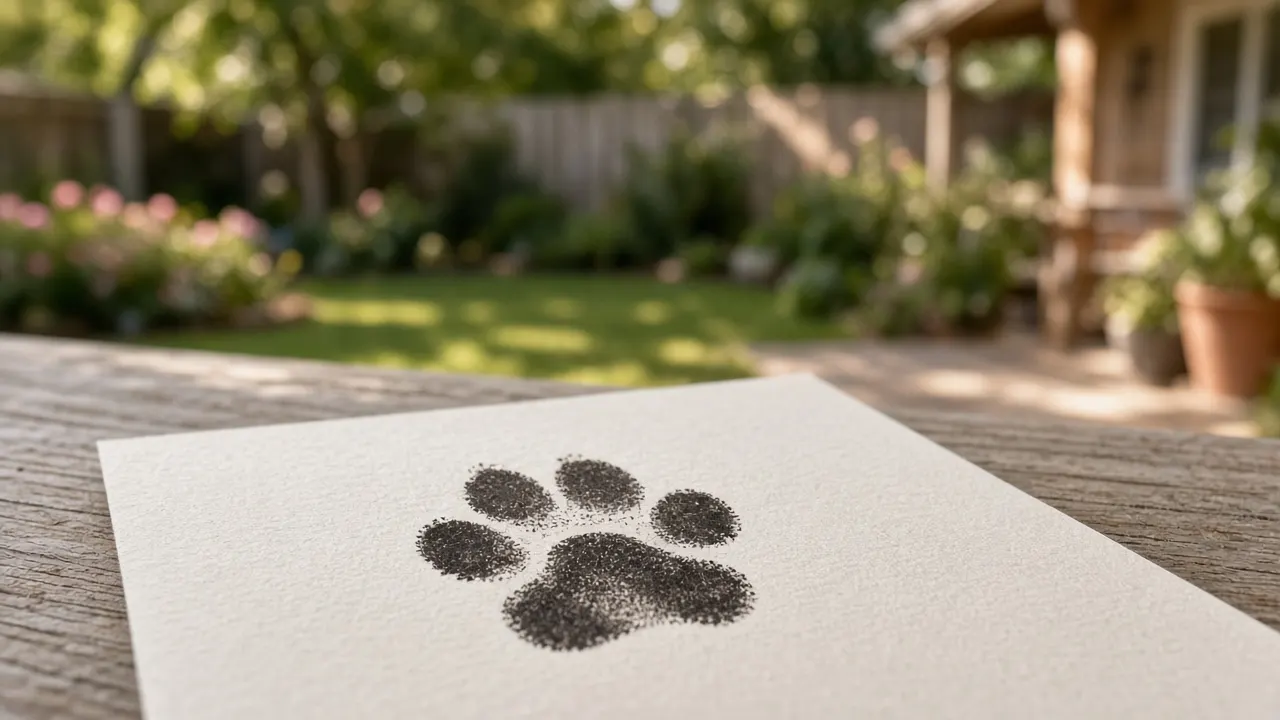
Cremation is the everyday choice in England: about 83.0%[5] of people who die there are cremated. Pet aftercare tends to follow the same habits, which means most pets here end up as a small box of ashes. Ashes don't show a paw, a nose or the shape of a toe. That's a big part of why prints matter so much in high-cremation places, and why local crematories are so used to being asked for one.
We take the England rate from Federation of Burial and Cremation Authorities (FBCA) death & cremation statistics (2024). It is a human statistic; there is no equivalent pet figure for Cambridge, and we would rather show a real number than invent one.
Heat, humidity, cold and drying times
We don't have local weather data for Cambridge, so here's the general rule: prints dislike extremes. Clay wants a room at ordinary indoor temperature, out of sun and drafts, for two or three days. Ink wants a dry paw and a dry card. Plaster and resin want warmth to set, but not heat. If a room is comfortable for you in a sweater or a T-shirt, it's fine for a print.
Where the money goes: the print, then the finishing
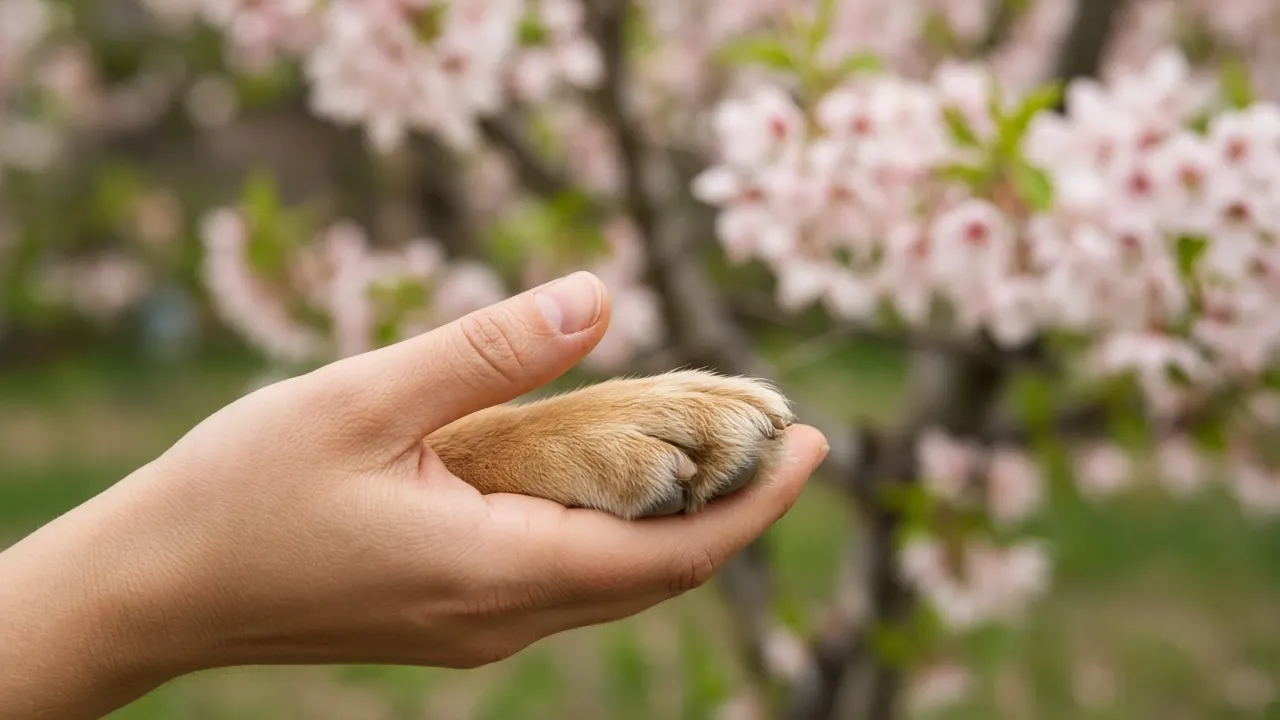
Many UK vet practices send every pet to the same crematorium: 60%[6] of independent practices that answered the CMA had an exclusive contract with one. So the print you're offered in Cambridge is usually whatever that crematorium makes. If you'd like something different, such as a flat ink print for engraving or a resin cast (one studio charges from £120 for a small dog[7]), take it yourself or ask for your pet to go elsewhere.
Prices for Cambridge track the wider England market, so use the England price table as your baseline and the services page to see what is included.

Free tool
Memorial budget planner
Add up cremation, urn, keepsakes and a farewell so the total holds no surprises.
Burial, scattering and prints in England
There are no rules about taking a paw print; it's yours to do at home, at the clinic or at the crematory. Where England does have rules is what happens next: whether your pet can be buried at home and where ashes can be scattered. Those choices can affect your print too, for example if you want it set into a garden stone or a grave marker.
In the UK, most families arrange cremation through their vet, and the CMA's 2026 remedies require practices to set out prices for add-on options as well as communal and individual cremation. Ask for a paw print by name and get the price in writing. Independent pet crematoria often take clay or ink prints too, and UK winters are damp, so give air-dry clay extra time to dry indoors before you frame or post it.
Start with the England rules, which cover burial, scattering and oversight for the whole state, and treat Cambridge's local ordinances as a possible extra layer.
Getting a paw print in Cambridge, step by step
- If your pet is still with you, don't wait. Take a print on a calm, good day, after a meal or a walk, when your pet is relaxed. A print from a living pet is usually the clearest.
- Choose your method. Clay for something to hold, ink or inkless paper for engraving and jewelry later. Our kit chooser helps you decide.
- Trim the tufts between the pads with blunt-tipped scissors so the pads, not the fur, make the shape.
- Hold the leg, not the paw, push down evenly in one motion, and raise it again without sliding. Make a few attempts and choose the sharpest one.
- Dry clay slowly indoors for two or three days, turning it, then seal it with a matte acrylic sealer.
- Photograph or scan the print flat in daylight. Makers can work from that image, so the original stays at home.
Remembering your pet through their print
The River Cam, the meadows towards Grantchester and the wide skies of the fens give many people a picture of where they'd like a pet remembered. A biodegradable urn planted with a tree in your own garden is one gentle option, and hardy native trees suit Cambridgeshire's dry climate. Before scattering ashes on public land or by the river, check the rules for that place.
For a plain comparison of the choices, open services, go deeper with the guides or catch up on recent articles, use the free tools before you ring anyone, or see what other families chose in the poll results. Close to Cambridge we also cover Liverpool, Manchester, Birmingham and Leeds; the full list for England and for the United Kingdom is a click away.

Reader polls
What would you choose?
Vote anonymously and see how other readers answered. The results are live counts from people who visit this site, so they show real opinions, not a scientific sample.
Whose print are you thinking about?
Tap an answer to vote and see how others answered. Anonymous.
Where would your pet's print live?
Tap an answer to vote and see how others answered. Anonymous.
If you had to decide today, which aftercare would you choose for your pet?
Tap an answer to vote and see how others answered. Anonymous.

Free tools to help you plan
Memorial budget planner
Add up cremation, urn, keepsakes and a farewell so the total holds no surprises.
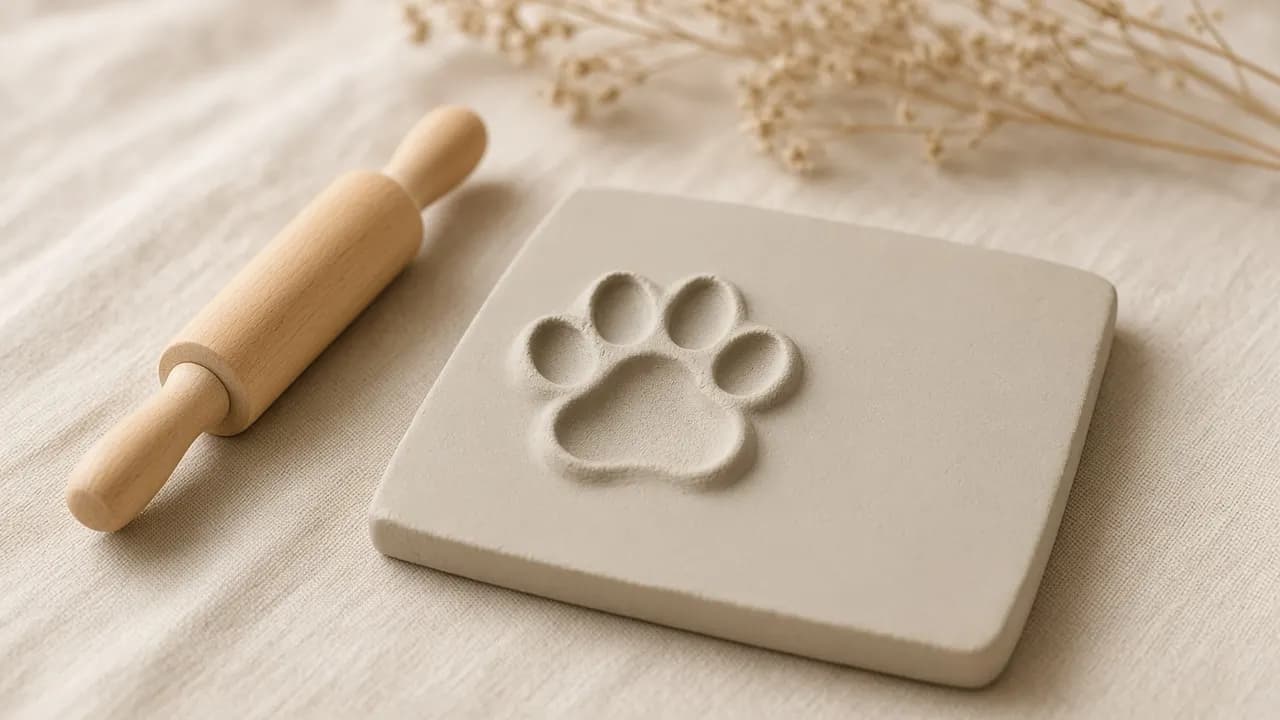
Paw print keepsake chooser
Match a print method to your pet's size, fur and the keepsake you want to keep.
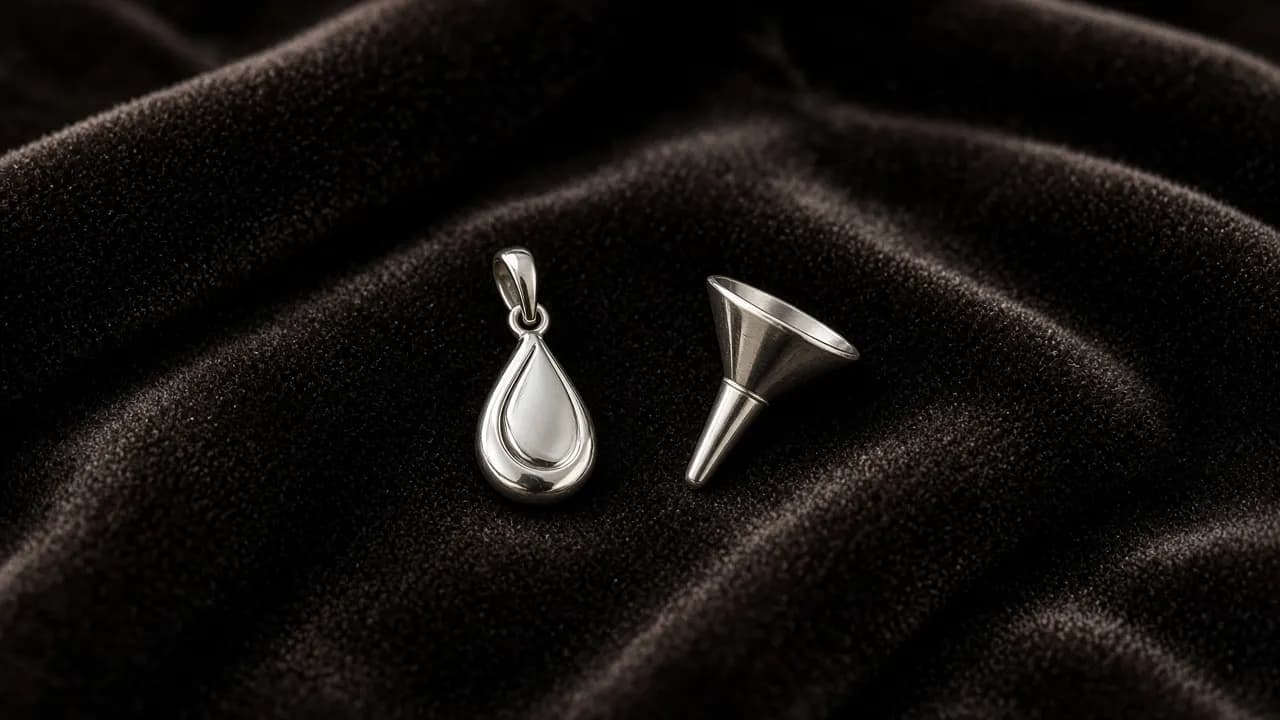
Jewelry ash capacity guide
How much ash fits in pendants, rings and glass, and how many pieces one pet can fill.
Questions people ask
How do England attitudes to cremation compare?
Federation of Burial and Cremation Authorities (FBCA) death & cremation statistics (2024) puts the England human cremation rate at about 83.0%[5]. We show it on the Cambridge page because pet aftercare choices tend to track it: where cremation is normal for people, communal and private pet cremation are both easy to find.
Can a provider from a neighbouring town collect from Cambridge?
Usually yes. St Albans is about 37 miles away, Milton Keynes is about 39 miles away and London is about 49 miles away, all inside a normal collection radius. Get the mileage written into the quote so there is no surprise on the day.
Will I have to travel to Milton Keynes to arrange things?
Not usually. Providers based in Milton Keynes (roughly 39 miles from Cambridge) collect from here as a matter of routine, and the paperwork is done by email or phone. If you want to be present for a witnessed cremation, that is when the drive matters.
Is Cambridge big enough to have several pet aftercare providers?
Probably, on the numbers. By our estimate about 43,500 Cambridge households keep a dog or cat and around 3,550 lose one each year, which is enough steady demand to support more than one provider. We derive that from population (about 145,000), household size and national ownership and lifespan figures.
Why do so many owners miss the chance to take a print?
Because a print has a window. By our estimate, around 3,550 dogs and cats die in Cambridge each year, many of them suddenly or at an emergency clinic, when a clay kit is the last thing on anyone's mind. Taking a print while your pet is well, or asking for one when you book aftercare, is the simplest way not to miss it.
Can my pet's paw print be turned into a tattoo?
Yes, and it's a popular choice. A tattoo artist will want a clear, high-contrast flat print, so an ink or inkless print works better than clay. Scan it at a high resolution and bring the file to your consultation. Many people have the print tattooed at actual size, sometimes with the pet's name or a nose print alongside.


Sources and our estimates
- [1] 41% of UK households own a dog. UK Pet Food (formerly PFMA) Pet Population 2026, 2026.
- [2] US dogs have an average life expectancy at birth of 12.69 years. Montoya et al. 2023, Frontiers in Veterinary Science - Banfield Pet Hospital life expectancy tables (13.3 million dogs, 2.4 million cats, 2013-2019), 2023.
- [3] 31% of UK households own a cat. UK Pet Food (formerly PFMA) Pet Population 2026, 2026.
- [4] UK cats have a life expectancy at birth of 11.74 years. Teng et al. 2024, Journal of Feline Medicine and Surgery - VetCompass cat life tables, 2024.
- [5] In 2024, 83.0% of deaths in England & Wales ended in cremation. Federation of Burial and Cremation Authorities (FBCA) death & cremation statistics, 2024.
- [6] 60% of independent UK vet practices responding to the CMA had an exclusive contract with one crematorium. UK Competition and Markets Authority - Veterinary services for household pets, Provisional decision report Part A (Oct 2025), 2025.
- [7] Brighton Body Casting in the UK charges from about £120 to cast a small dog's paw pads in resin; medium and large breeds cost about 1/5 and 1/3 more. Brighton Body Casting – Pets, 2026.
- [8] Published ashes-return times across the network's markets range from same-day (paid express) to about 4 weeks; a conservative typical window is 3-14 days. Our estimate: min/max across sources: Lambeth 3 days; US 5-10 days; RSPCA QLD within 14 days; AniCura Sweden 2-4 weeks. How we calculate.
Find help with a paw print keepsake
Tell us what you need and where you are. We'll reply by email with clear options and prices so you can decide in your own time.