Getting your pet's paw print in Philadelphia
Philadelphia has an estimated 580,000 dog- or cat-owning households. If yours is one of them, a print taken now, or before cremation, is the keepsake you can't go back for.
- Ask for a print when you book
- Help for paws, noses and hooves
- We reply by email, no obligation
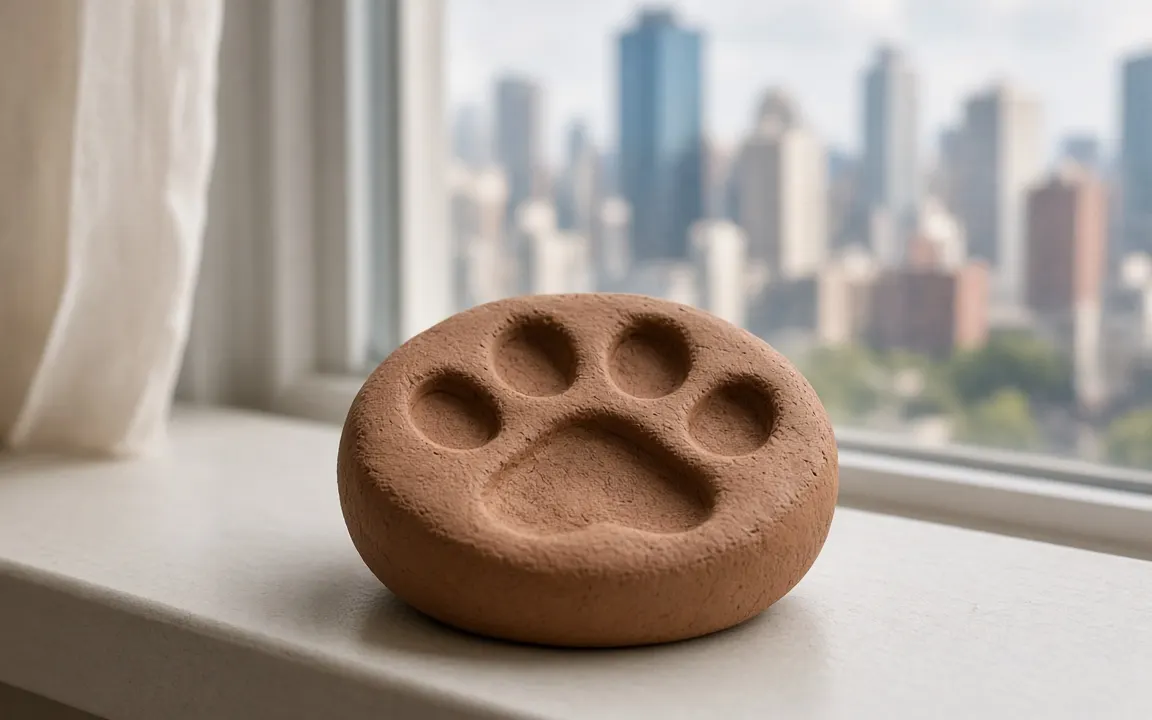
Philadelphia, Pennsylvania
Paw print keepsakes in Philadelphia: where to start
Small backyards and paved rowhouse patios mean many Philadelphia memorials end up in containers or indoors: a planter with a flowering shrub, a small engraved stone by the back step, a framed portrait by the front window. Pick materials that can handle freezing winters and humid summers. Stone and metal last far longer outdoors here than wood or resin, which crack after a few freeze-thaw cycles.
The Wissahickon, the Schuylkill riverbanks and the big stretches of Fairmount Park are the green places many Philadelphians connect with, and some owners want a memorial tied to them. Before scattering ashes in a public park or river, check the rules that apply. A tree planted in a relative's suburban yard, a biodegradable urn in a garden or an engraved stone at home are common alternatives.
In a city the size of Philadelphia, the question is rarely whether someone can take a paw print. Most general practices, emergency hospitals, in-home euthanasia vets and pet crematories here offer one. The risk is the opposite: a busy clinic handling several goodbyes a day can simply forget. If you want a print, say so when you book, ask for it to be written on the aftercare form and ask whether the original will come back with the ashes or separately.
Philadelphia's population is around 1,574,281, the largest of the 36 Pennsylvania communities we cover.
Nearby, we also have local pages for Camden (3 miles), Villanova (11 miles) and Lindenwold (13 miles), which can help if your vet or the provider you prefer is based there.
Our estimate
580,000
Philadelphia: dog- or cat-owning households, our estimate
How we calculated this
1,574,281 ÷ 2.5 = 629,712 households; × 53% (dog) + 39% (cat) = 580,000. Homes are counted once however many pets they keep.
Our estimate
48,500
Philadelphia families who lose a dog or cat each year (estimate)
How we calculated this
580,000 dog/cat-owning homes ÷ average lifespan (dog: 12.69 yrs + cat: 11.18 yrs) ≈ 48,500 a year. Treat it as a minimum.
53%[1]
53% of US households own a dog, which is about 71 million households.
12.69 years[2]
US dogs have an average life expectancy at birth of 12.69 years.
39%[3]
39% of US households own a cat, which is about 53 million households.
11.18 years[4]
US cats seen at Banfield hospitals have an average life expectancy at birth of 11.18 years.
The numbers above come from American Pet Products Association (APPA) 2025 State of the Industry and Montoya et al. 2023, Frontiers in Veterinary Science, if you'd like to read the original sources.
Ashes, graves and the print that comes first
Roughly 61.3%[5] of deaths in Pennsylvania end in cremation, which often means one family holds both preferences. A grandparent may want the dog buried under the apple tree while a younger owner would rather have ashes on the mantel. If that debate is happening in your house, start with the print. Everyone agrees on it, it has to come first anyway, and it buys you a calmer hour to decide the rest.
The Pennsylvania percentage above is from NFDA 2024 Cremation & Burial Report state projections (via Occasional Sage) (2024) and refers to human funerals. Treat it as context for Philadelphia, not as a count of pets.
Heat, humidity, cold and drying times
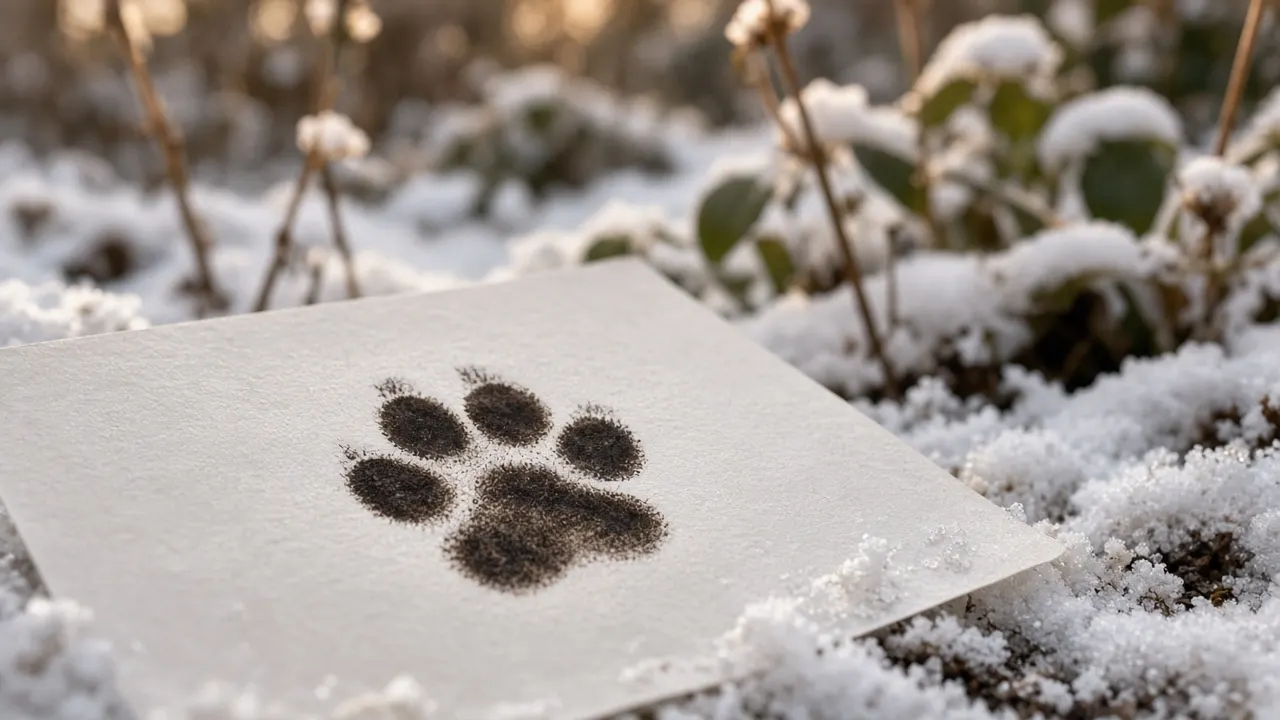
Snow and ice in January, February and December can hold up home-visit vets and collection vans around Philadelphia, sometimes by a day. If your pet dies during a storm or a cold snap, you may be caring for them longer than you expected. Keep them in the chilliest room of the house, away from heating, on a towel or blanket. Take the print early in that time, while the paws are still soft enough to press cleanly.
Clinics and crematories in and around Philadelphia often keep pets in cold storage before cremation, especially in January, February and December when collection runs can be delayed by weather. That doesn't prevent a print, but it helps to ask before your pet goes into the cooler. A quick print while the paw is still soft is far easier than one taken later from a cold, stiff paw.
What owners in Philadelphia typically pay for a print
Some providers include the print in the package. A Virginia crematory, for example, includes a paw print and a fur clipping with every private cremation package, which run $189–$300[6]. Others charge separately: a Northeast crematory network lists $49 for ink paw prints, $76 for a clay or silver-clay print and $111 framed[7]. When you compare quotes in Philadelphia, check which approach each provider takes.
The Pennsylvania price table breaks costs down by product; our services page explains what sits behind each line.
Free tool
Memorial budget planner
Add up cremation, urn, keepsakes and a farewell so the total holds no surprises.
What the law in Pennsylvania does and doesn't cover
If you might move away from Pennsylvania one day, it helps to know that a print, a cast or a photograph needs no paperwork at a border, while ashes sometimes do, and a grave can't come with you at all. None of that should decide your plans, but it's worth weighing alongside what Pennsylvania allows, set out below.
For what Philadelphia itself says, see City of Philadelphia Department of Sanitation. Its pages cover municipal collection; a private cremation is arranged separately. Pennsylvania keeps an official directory of local governments; use it to reach the county or city office that covers Philadelphia.
For Pennsylvania's rules on burying a pet at home or scattering ashes, see the Pennsylvania guide. Local rules in Philadelphia can be stricter than the state's, especially in homeowners' associations and rentals.
How to make sure a print is taken in time
- For a horse, have the farrier out beforehand to trim the hoof and tidy it up. Clean the sole thoroughly and let it dry.
- Press the hoof into a thick slab of clay resting on a board, or coat the sole in non-toxic paint and set it down on stiff card. Ask a helper to keep the leg still while you do it.
- Keep the last shoe and a length of tail or mane hair, which many horse owners have braided or set into resin.
- For a bird or a very small pet, choose the softest clay or an inkless sheet, and barely press at all. Clay picks up tiny toes best.
- For a fluffy cat or rabbit, an inkless kit avoids ink on fur they'll groom later, and clay shows the long shape of a rabbit's foot.
- Dry and store every print indoors, and photograph it so a maker can work from the image.
From paw print to pendant, frame or garden stone
Many Philadelphia families keep ashes at home in an urn sized for a rowhouse mantel or a bookshelf in the front room. Space is tight, so a compact urn with room for a photo or engraved name works well. If you want part of the ashes in cremation jewelry or keepsake urns for relatives in the suburbs or across the river in New Jersey, tell the provider before the cremation so a portion can be set aside.
read our guides and latest articles, or see how other readers answered in our polls, Every option Philadelphia families choose between is on the services page, run the numbers with the free planning tools. If you live between Philadelphia and Reading, Erie, Allentown and Pittsburgh, either page applies. Every other community in Pennsylvania, and all of the United States, is listed too.

Reader polls
What would you choose?
Vote anonymously and see how other readers answered. The results are live counts from people who visit this site, so they show real opinions, not a scientific sample.
When did (or will) you take your pet's print?
Tap an answer to vote and see how others answered. Anonymous.
Where would your pet's print live?
Tap an answer to vote and see how others answered. Anonymous.
If you had to decide today, which aftercare would you choose for your pet?
Tap an answer to vote and see how others answered. Anonymous.

Free tools to help you plan
Memorial budget planner
Add up cremation, urn, keepsakes and a farewell so the total holds no surprises.
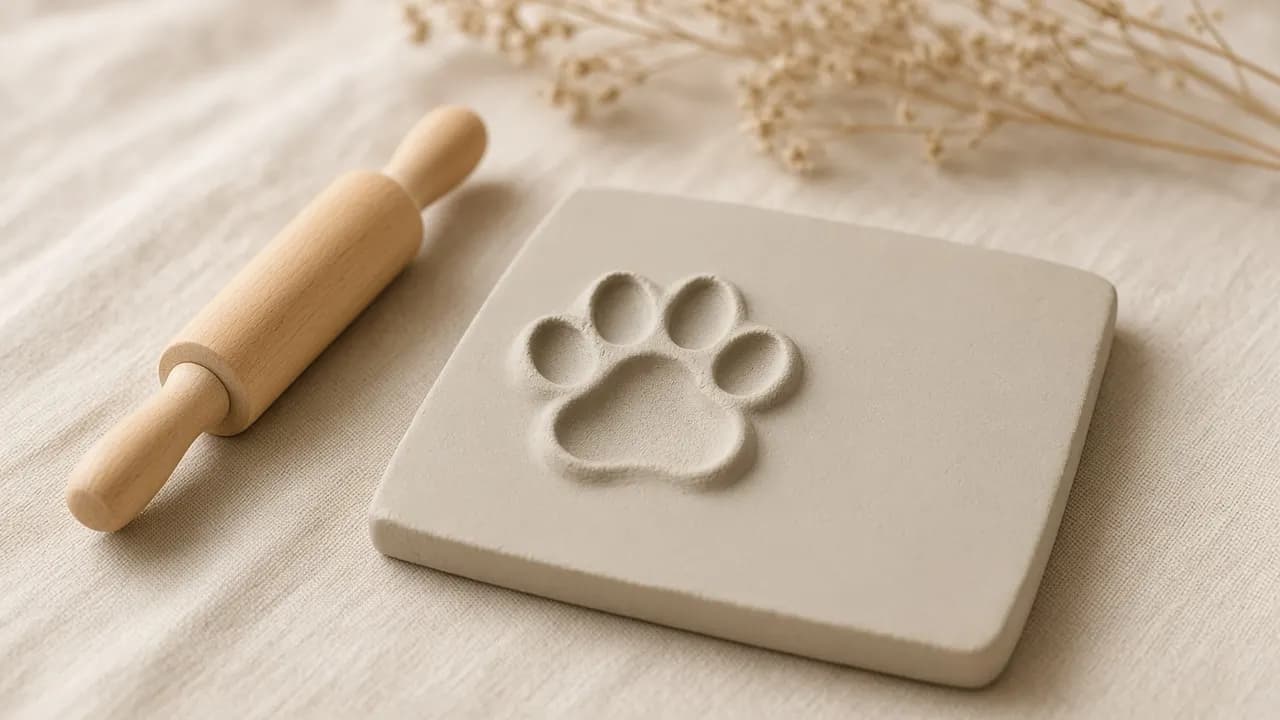
Paw print keepsake chooser
Match a print method to your pet's size, fur and the keepsake you want to keep.
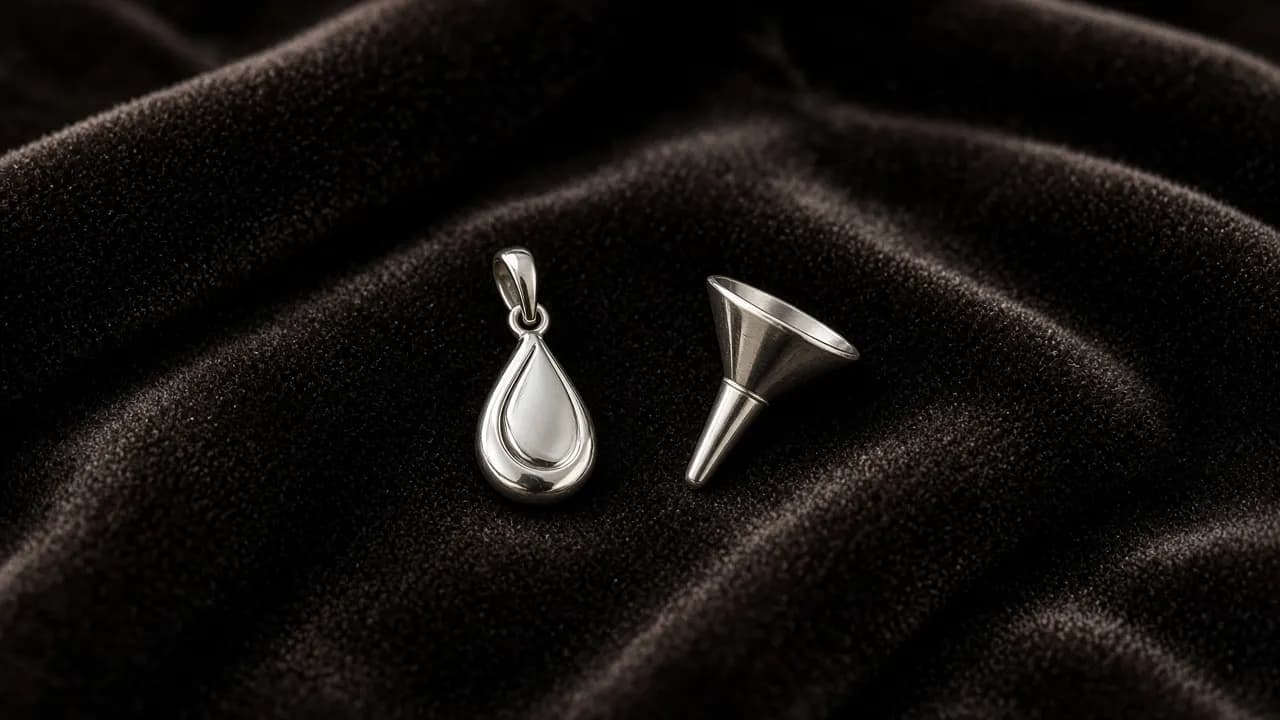
Jewelry ash capacity guide
How much ash fits in pendants, rings and glass, and how many pieces one pet can fill.
Questions people ask
Can a provider from a neighbouring town collect from Philadelphia?
Usually yes. Camden is about 3 miles away, Villanova is about 11 miles away and Lindenwold is about 13 miles away, all inside a normal collection radius. Get the mileage written into the quote so there is no surprise on the day.
When is the hardest time of year to arrange a burial in Philadelphia?
January, February and December: average lows are below freezing then, and frozen ground makes a home grave slow or impossible until it thaws. The other pressure point is July, when highs around 88°F mean a body needs cooling and collecting quickly.
How do Pennsylvania attitudes to cremation compare?
NFDA 2024 Cremation & Burial Report state projections (via Occasional Sage) (2024) puts the Pennsylvania human cremation rate at about 61.3%[5]. We show it on the Philadelphia page because pet aftercare choices tend to track it: where cremation is normal for people, communal and private pet cremation are both easy to find.
Roughly how many pets die in Philadelphia each year?
Our estimate is around 48,500. It comes from Philadelphia's population (about 1,574,281), the average household size, the share of homes with a dog or cat (about 580,000 households here) and the average lifespan. It is arithmetic, not a count, so read it as a rough floor.
How do I get a nose print from my cat?
Cats have small noses and dislike being fussed, so pick a sleepy moment. Use an inkless wipe or the lightest dab of pet-safe ink on a soft sponge, then touch a small folded card to the nose from the front and lift away. Expect a faint, partial print; that's normal. Take several attempts over a few days rather than persisting in one session, and wipe the nose clean afterwards so your cat doesn't lick the residue.
What if my family can't agree who keeps the print?
Take several. Clay can be re-rolled and ink prints are quick, so there's no reason to stop at one. If the original is already made, photograph or scan it and have copies made: framed ink prints, small engraved tags or matching pendants. Our ashes sharing planner can help if you're dividing ashes between keepsakes too.


Sources and our estimates
- [1] 53% of US households own a dog, which is about 71 million households. American Pet Products Association (APPA) 2025 State of the Industry, 2025.
- [2] US dogs have an average life expectancy at birth of 12.69 years. Montoya et al. 2023, Frontiers in Veterinary Science - Banfield Pet Hospital life expectancy tables (13.3 million dogs, 2.4 million cats, 2013-2019), 2023.
- [3] 39% of US households own a cat, which is about 53 million households. American Pet Products Association (APPA) 2025 State of the Industry, 2025.
- [4] US cats seen at Banfield hospitals have an average life expectancy at birth of 11.18 years. Montoya et al. 2023, Frontiers in Veterinary Science - Banfield Pet Hospital life expectancy tables (13.3 million dogs, 2.4 million cats, 2013-2019), 2023.
- [5] The NFDA projected Pennsylvania's cremation rate at 61.3% for 2024. NFDA 2024 Cremation & Burial Report state projections (via Occasional Sage), 2024.
- [6] Heavenly Paws Cremations in Chantilly, Virginia, sells private cremation packages at $189 (temporary container), $225 (wooden urn) and $300 (wooden photo urn), each including a paw print and fur clipping. Heavenly Paws Cremations – Packages, 2026.
- [7] Final Gift charges $49 for ink paw prints, $76 for a clay or silver-clay paw print, $111 framed, and $133 framed with a fur clipping; a fur clipping alone costs $23. Final Gift Pet Memorial Center – Memorial Products, 2026.
- [8] The median price multiple of private (ashes returned) over communal cremation across 8 markets is about 2.0x, ranging from 1.25x (Tokyo) to 5.2x (Auckland). Our estimate: median(private_price / communal_price) same weight band: US CareCredit 51-70 lb midpoints (250/75) = 3.33x; Auckland 15-25 kg (445/85) = 5.24x; Norway 1-20 kg (3790/1190) = 3.18x; Singapore 10-20 kg (480/260) = 1.85x; Ontario 25-250 lb (549/279) = 1.97x; Tokyo 20-30 kg (38500/30800) = 1.25x; France 20 kg midpoints (200/95) = 2.11x; Germany range midpoints (270/145) = 1.86x. How we calculate.
Get paw print options in Philadelphia
Tell us what you need and where you are. We'll reply by email with clear options and prices so you can decide in your own time.