Sharing your pet's ashes and prints fairly across the family
When several people loved the same pet, everyone may want something to keep. This planner shows how the ashes divide between keepsakes, and pairs well with extra copies of a paw or nose print.
- Add up to eight people and their keepsakes
- See exactly what's left for the main urn
- Works from your pet's weight or a known volume
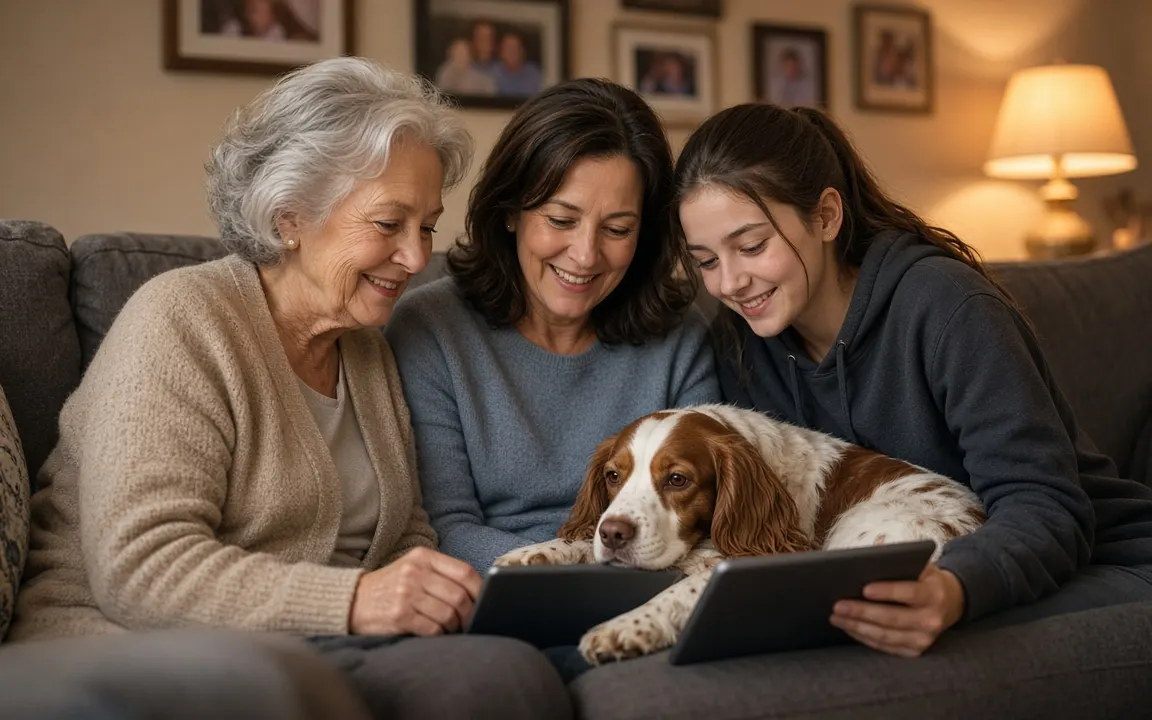
Ashes sharing planner
Plan who keeps what. We work in cubic inches, the unit urns and keepsakes are sold in (about 1 cu in per lb of body weight).
Left for the main urn
47 cu in (769 mL)
Out of about 50 cu in in total.
| Person | Keepsake | Ashes |
|---|---|---|
| Me | Keepsake urn | 3 cu in |
| Person 2 | Pendant | 0.05 cu in |
| Main urn | 47 cu in | |
A pendant holds about a pinch of ashes and a ring even less, so jewelry barely changes what's left. Scattering tubes vary a lot in size; check the one you choose.
Source: Embrace Pet Insurance - Bury or Cremate Your Dog? Costs, Pros & Cons; Our estimate. keepsake capacities are typical sizes, so check the product you choose
Next step: Ask a local provider to divide the ashes for you →
Using the planner
How to use the sharing planner
Start with your pet's weight, or with the volume of ashes if the crematory has told you. Then add a row for each person: their name if you like, the keepsake they'd want (keepsake urn, pendant, ring or small scattering tube) and how many. The planner shows each share and what remains for the main urn.
You can add up to eight people, remove anyone, and change your mind as often as you need. Nothing is saved or sent, so it's a safe place to sketch a plan before a family conversation. If you're adding jewelry, the jewelry ash capacity guide goes into more detail on individual pieces.
The maths
How the planner works out each share
Everything is measured in cubic inches, the unit urns and keepsakes are sold in. Total ashes are estimated at about one cubic inch per pound of body weight, consistent with ashes weighing roughly 3-5% of body weight[1]. Each keepsake then takes a typical amount:
| Keepsake | Typical capacity |
|---|---|
| Ring | 0.02 cu in |
| Pendant | 0.05 cu in |
| Keepsake urn | 3 cu in |
| Small scattering tube | 10 cu in |
The planner subtracts each share from the total and shows the rest as the main urn. If the shares add up to more than you have, it tells you so and suggests trimming the larger keepsakes. Scattering tubes vary most in size, so check the one you choose.
12 cu in (cat); 70 cu in (dog)[2]
Worked example
A worked example: a 45 lb spaniel and a family of five
Imagine a 45 lb springer spaniel, so about 45 cubic inches of ashes. Two teenagers each want a pendant engraved with their dog's nose print on the front: 0.1 cubic inches between them. A grandmother wants a small keepsake urn: 3 cubic inches. The parents want to scatter some on the beach where she loved to swim: one tube, 10 cubic inches.
That's about 13 cubic inches shared, leaving around 32 for a main urn at home. Alongside the ashes, the family takes five inkless paw prints on one afternoon so everyone also has a print to frame. The prints cost nothing in ashes, and for many people a print is the keepsake they look at most. See how many copies other readers chose on the results page.
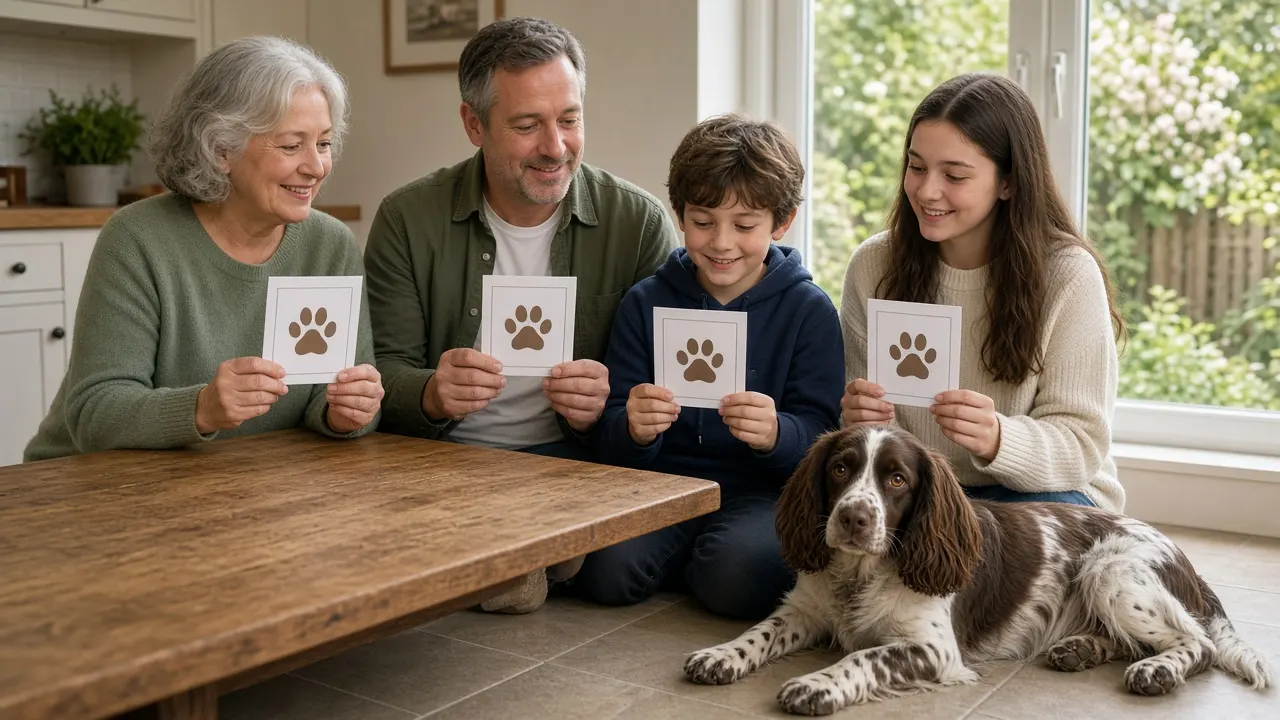
How many copies of the print would your family want?
Tap an answer to vote and see how others answered. Anonymous.
Reading the result
What the result means, and conversations it can start
The main number is what stays in the main urn. If it's comfortably large, there's room for everyone's wishes. If it's small, the family may need to decide between another keepsake urn and a bigger scattering. Jewelry almost never causes the squeeze.
Where the main urn ends up matters too. A summary of NFDA's 2025 consumer research found 37%[3] of Americans would keep cremated remains at home in an urn, and in the UK 84.5%[4] of cremated remains were taken away by families, according to the Federation of Burial and Cremation Authorities. A print beside that urn, or in each person's home, is a simple way to share the memory without dividing anything.
Children often want to be involved, and printing is one of the gentlest ways to do it. See our guide to print-making with children for ideas by age.
Honest limits
What the planner can't settle for you
It can't decide who should get what; that's a family conversation, and sometimes a tender one. Grief can run deep: in a PLOS One study of UK adults, among those who had lost both a pet and a person, 21.0%[5] named the pet's death as the most distressing. Give people time to say what they'd like.
The planner also can't physically divide the ashes. Many crematories will fill keepsake urns and jewelry for you if you ask when booking, and some makers fill pendants in their studio. Our paw print checklist includes what to ask so each keepsake is labelled clearly. Our services page explains which providers can take prints and fill keepsakes.
It also can't account for people who change their minds. Someone who didn't want anything at first may ask for a pendant a year later. Keeping the main urn generous, and keeping a good scan of the print, leaves room for those later requests.
Next steps
Turning the plan into keepsakes
- Share the plan with the family and agree any changes.
- Take extra prints now, one for each person who wants one, using the method the kit chooser suggests.
- Ask the crematory whether they can fill keepsake urns and pendants, and how they label them.
- Add everything to the memorial budget planner once quotes arrive.
Want someone to find providers who divide ashes and take prints? Send us your details and we'll reply by email. Our local pages also show who serves your area.

Reader polls
What would you choose?
Vote anonymously and see how other readers answered. The results are live counts from people who visit this site, so they show real opinions, not a scientific sample.
How many copies of the print would your family want?
Tap an answer to vote and see how others answered. Anonymous.
Where would your pet's print live?
Tap an answer to vote and see how others answered. Anonymous.
Where are (or will be) your pet's ashes?
Tap an answer to vote and see how others answered. Anonymous.

Free tools to help you plan
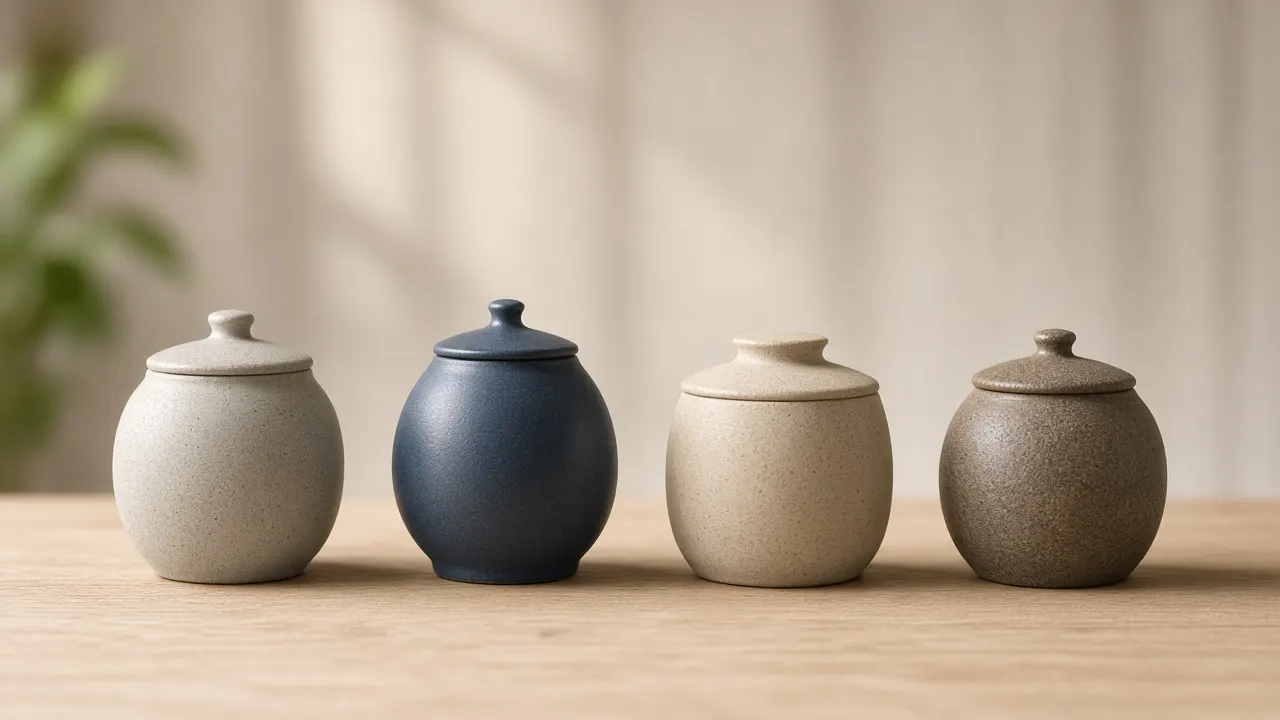
Ashes sharing planner
Split ashes fairly between family members, keepsake urns and jewelry.
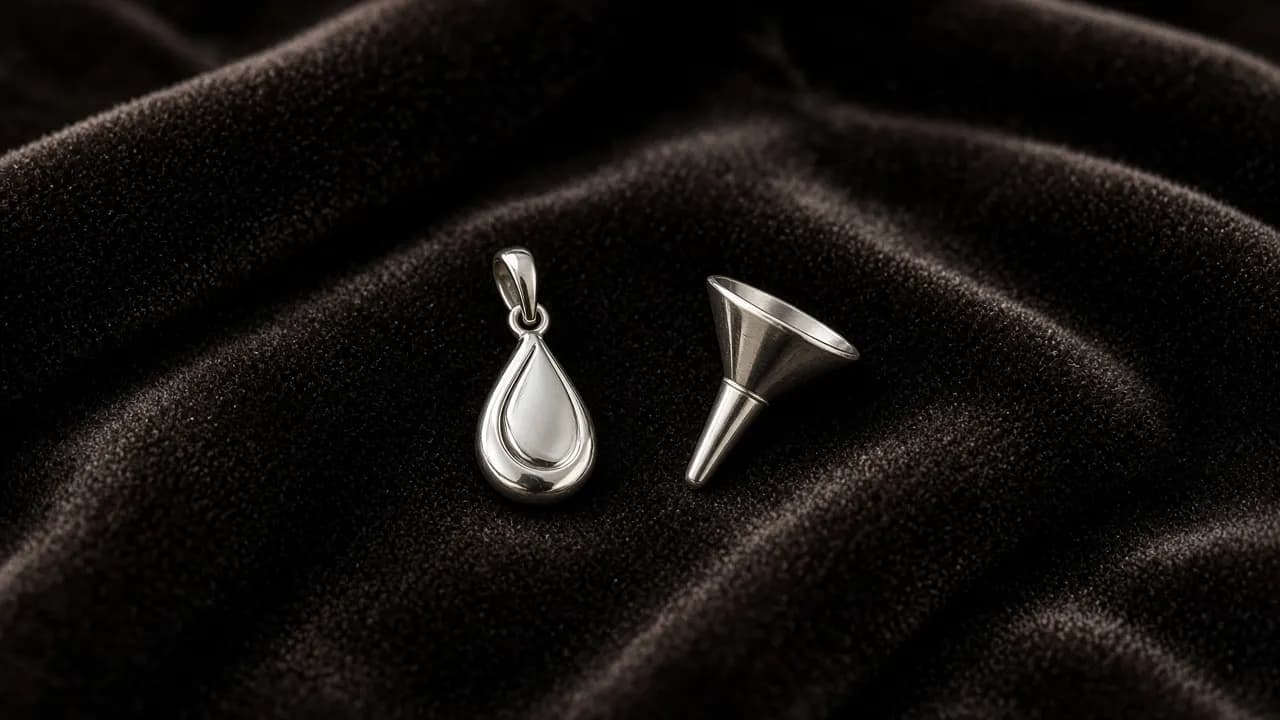
Jewelry ash capacity guide
How much ash fits in pendants, rings and glass, and how many pieces one pet can fill.
Paw print keepsake chooser
Match a print method to your pet's size, fur and the keepsake you want to keep.
Questions people ask
How do I divide my pet's ashes between family members?
Decide who wants what first, then ask the crematory or a keepsake maker to fill each piece. Many crematories fill keepsake urns and jewelry if you ask when booking. If you do it at home, use a small funnel and spoon over a tray, and work somewhere still, away from drafts.
Is it okay to split a pet's ashes?
Yes. Sharing ashes between keepsakes is common and there's no rule against it. What matters is that the family agrees. Some people find it comforting for everyone to have a piece; others prefer everything together in one urn, with prints shared instead.
How much does a small scattering tube hold?
The planner uses about 10 cubic inches for a small tube, but sizes vary widely. Some hold only a few cubic inches and others hold a whole medium dog. Check the one you're buying before planning around it.
Can everyone get a copy of the paw print instead of ashes?
Yes, and many families do exactly that. Take several prints in one session, or scan one good print and have copies made. A print uses no ashes at all, and it suits relatives who would feel uneasy keeping remains at home.

Sources and our estimates
- [1] Embrace notes cremated remains typically weigh about 3-5% of the pet's original body weight. Embrace Pet Insurance - Bury or Cremate Your Dog? Costs, Pros & Cons, 2025.
- [2] Using the industry rule of thumb of 1 cubic inch of urn space per pound of body weight, a 12 lb cat needs an urn of about 12 cubic inches; a 70 lb dog needs about 70 cubic inches. Our estimate: urn cu in = body weight lb x 1 (industry rule of thumb, not a measured value). How we calculate.
- [3] In NFDA's 2025 consumer research, 37% said they would keep cremated remains at home in an urn, and 33.5% would scatter them. Cremation.Green summary of NFDA 2025 Cremation & Burial Report, 2025.
- [4] In the UK in 2024, 84.5% of cremated remains were taken away from the crematorium by families; 10.6% were strewn in crematorium grounds. Federation of Burial and Cremation Authorities (FBCA) death & cremation statistics, 2024.
- [5] Among UK adults who had lost both a pet and a person, 21.0% named the pet's death as their most distressing bereavement. Hyland et al., 'No pets allowed: Evidence that prolonged grief disorder can occur following the death of a pet', PLOS ONE (2026), 2026.
Get help dividing ashes and making prints
Tell us what you need and where you are. We'll reply by email with clear options and prices so you can decide in your own time.