Paw print keepsakes in Melbourne: timing, methods and costs
About 140,000 households in Melbourne lose a dog or cat each year, by our estimate. A clear paw print, taken at home or by your vet, is often the keepsake people are most glad to have.
- Home kit or vet-taken: your choice
- Tips for heat, humidity and cold
- Ideas for jewelry, engraving and art
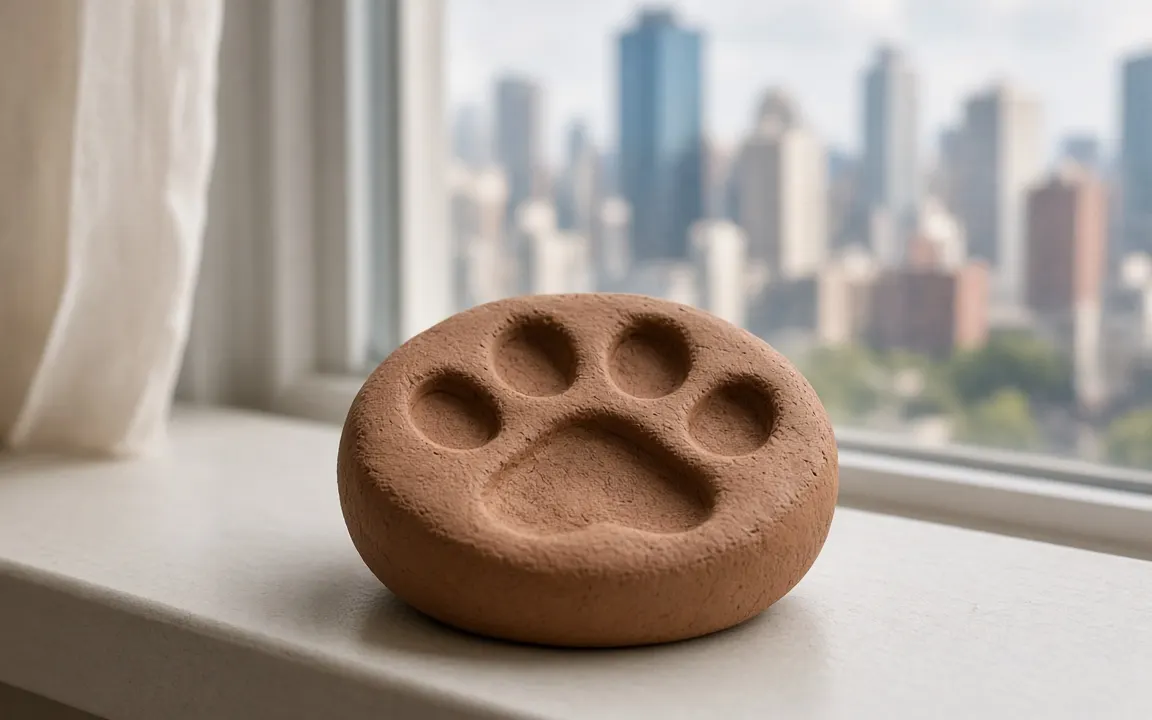
Melbourne, Victoria
Paw print keepsakes in Melbourne: where to start
Tree and bio urns suit Melbourne gardens, where a native plant or small tree can grow over your pet's ashes and bring wattlebirds and honeyeaters to the backyard. Renters can use a large pot instead, which can come along on moving day. Keep a little ash aside before planting for a pendant, ring or keepsake urn, especially if family members in other suburbs or states want to share.
Some Melbourne families take their pet's ashes to a place they loved, like the Dandenong Ranges or a stretch of coast along the bay, while others keep them at home. If you're planning to scatter, set a spoonful aside first for a keepsake: a fur locket, a ring set with ashes, or a small glass piece with ashes swirled inside all keep a little of your pet close.
In-home euthanasia vets in a big city are busy, but many bring a print kit to every visit. When you book, ask whether a clay paw print is included in the fee, whether they can take an ink print too for later engraving, and whether you can take it yourself while they wait. Doing it before the appointment, on a calm day, is often gentler for everyone.
Melbourne is home to about 5,078,000 people, the largest of the 5 Victoria communities we cover.
Melbourne sits within easy reach of Toorak (3 miles), Geelong (40 miles) and Ballarat (63 miles). A provider based in any of them will usually collect from Melbourne; ask what the mileage adds to the bill.
Our estimate
1,685,000
How many dog- or cat-owning households Melbourne has (estimate)
How we calculated this
5,078,000 ÷ 2.5 = 2,031,200 households; × 49% (dog) + 34% (cat) = 1,685,000. Multi-pet homes count once.
Our estimate
140,000
dog and cat deaths per year in Melbourne, our estimate
How we calculated this
1,685,000 dog/cat-owning homes ÷ average lifespan (dog: 12.69 yrs + cat: 11.18 yrs) ≈ 140,000 a year. A floor, not a ceiling.
49%[1]
49% of Australian households have at least one dog, up from 40% in 2019.
12.69 years[2]
US dogs have an average life expectancy at birth of 12.69 years.
34%[3]
34% of Australian households have at least one cat, up from 27% in 2019.
11.18 years[4]
US cats seen at Banfield hospitals have an average life expectancy at birth of 11.18 years.
Sources for the statistics above: Animal Medicines Australia, Pets in Australia 2025 (media release) and Montoya et al. 2023, Frontiers in Veterinary Science.
What local funeral habits mean for a print
Because roughly 71%[5] of people in Australia are cremated, ashes jewelry and keepsake urns are familiar here. A paw print pairs naturally with them: an urn engraved with your pet's actual paw, or a pendant with the print on the front and a pinch of ashes inside. If that appeals, ask for a clear flat print that a maker can work from.
FuneralSmart (2023) is where the Australia figure comes from. It counts people; we use it because attitudes to cremating a pet in Melbourne tend to follow attitudes to cremation generally.
Getting a clean print in Melbourne in any season
We don't have local weather data for Melbourne, so here's the general rule: prints dislike extremes. Clay wants a room at ordinary indoor temperature, out of sun and drafts, for two or three days. Ink wants a dry paw and a dry card. Plaster and resin want warmth to set, but not heat. If a room is comfortable for you in a sweater or a T-shirt, it's fine for a print.
Budgeting for a print and what it becomes
Local price lists for paw prints are thin in Australia and New Zealand, so a US benchmark can help: across US crematory price lists, paw-print add-ons have a median of about $32[6]. Expect something in that spirit in local dollars, and ask providers in Melbourne whether they take a clay print, an ink print or both.
Prices for Melbourne track the wider Victoria market, so use the Victoria price table as your baseline and the services page to see what is included.
Free tool
Memorial budget planner
Add up cremation, urn, keepsakes and a farewell so the total holds no surprises.
What Victoria allows after your pet dies
Burial rules in many places, including Victoria, exist partly because the drugs used in euthanasia stay in the body and can harm wildlife or other pets that dig. A print carries none of those concerns, which is why no one regulates it. If you're choosing between a home burial and cremation, the notes below cover what's allowed here; take the print before either.
In Australia, paw prints are usually part of a cremation package or a small add-on, and RSPCA Queensland's memorial packages come back within 14 days[8]. Summer heat is the main practical issue: take prints indoors with the air conditioning on, keep your pet cool first and dry air-dry clay slowly out of direct sun. In the tropical north, humidity can keep clay soft for days.
The rules that apply across Victoria (home burial, scattering and who oversees pet cremation) are summarized on our Victoria page. Melbourne may add its own conditions, so check with the city or county before digging.
What to do first, and what can wait
- If your pet dies unexpectedly at the clinic, ask for a few minutes before you leave the room. Most teams will give you time and can bring a print kit to you.
- Say exactly what you want: clay, ink, a nose print or all three, and how many copies.
- If you can't face doing it yourself, ask a nurse or technician to take it while you wait outside, and to show it to you before you go.
- Get the crematory's name and your pet's reference number on paper from reception before you leave.
- If no print was taken, call the crematory first thing the next morning and ask for one at intake.
- Leave the urn and the other extras for later. Of everything on offer, only the print has to be settled now.
Keeping the print and the memory close
Melbourne homes range from compact apartments in the CBD and Southbank to garden-filled suburbs, so memorials vary too: a small urn on a shelf, a photo urn on a sideboard, or a stone or plaque in the garden bed. For outdoor memorials, choose materials that handle frosty mornings, hot north-wind days and long spells of winter drizzle. Engraving your pet's name, dates and a short phrase keeps it simple and personal.
browse in-depth guides or recent articles, or look at how readers voted in our polls, the planning tools turn your pet's details into figures, For a plain comparison of the choices, open services. More local pages: Geelong, Ballarat, Toorak and Bendigo, the Victoria overview and every city in Australia.

Reader polls
What would you choose?
Vote anonymously and see how other readers answered. The results are live counts from people who visit this site, so they show real opinions, not a scientific sample.
When did (or will) you take your pet's print?
Tap an answer to vote and see how others answered. Anonymous.
Where would your pet's print live?
Tap an answer to vote and see how others answered. Anonymous.
If you had to decide today, which aftercare would you choose for your pet?
Tap an answer to vote and see how others answered. Anonymous.

Free tools to help you plan
Memorial budget planner
Add up cremation, urn, keepsakes and a farewell so the total holds no surprises.
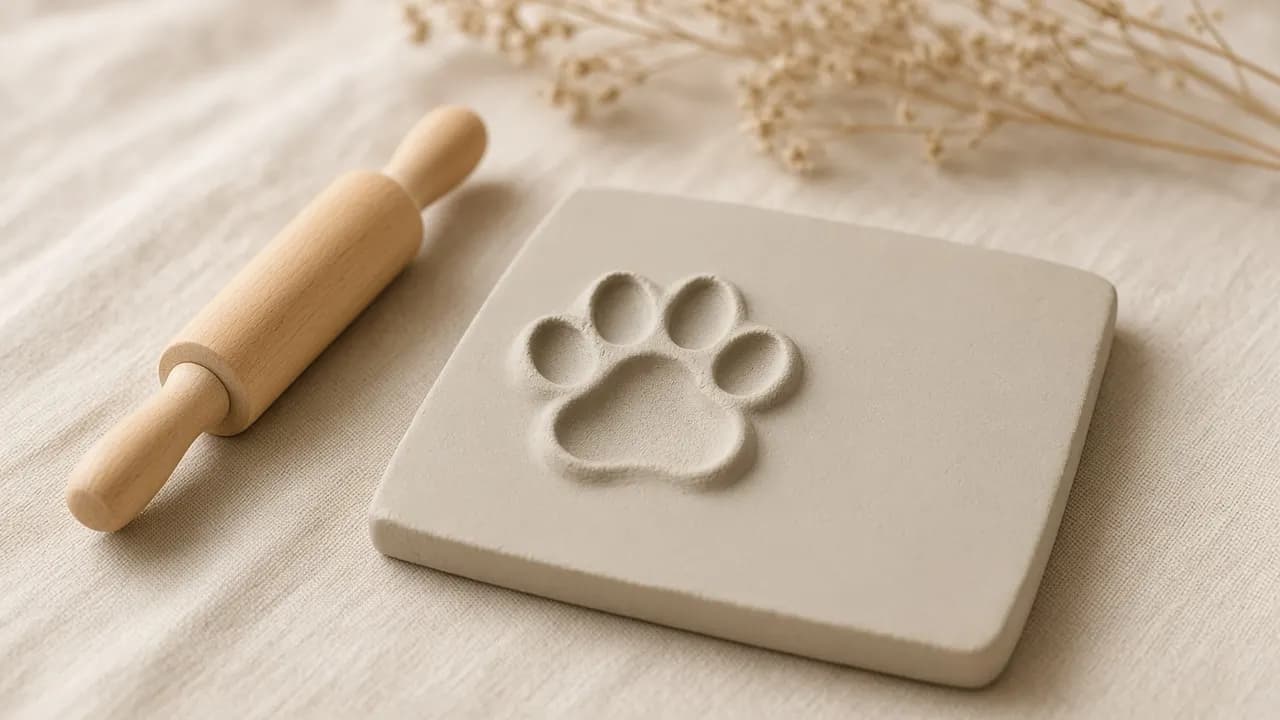
Paw print keepsake chooser
Match a print method to your pet's size, fur and the keepsake you want to keep.
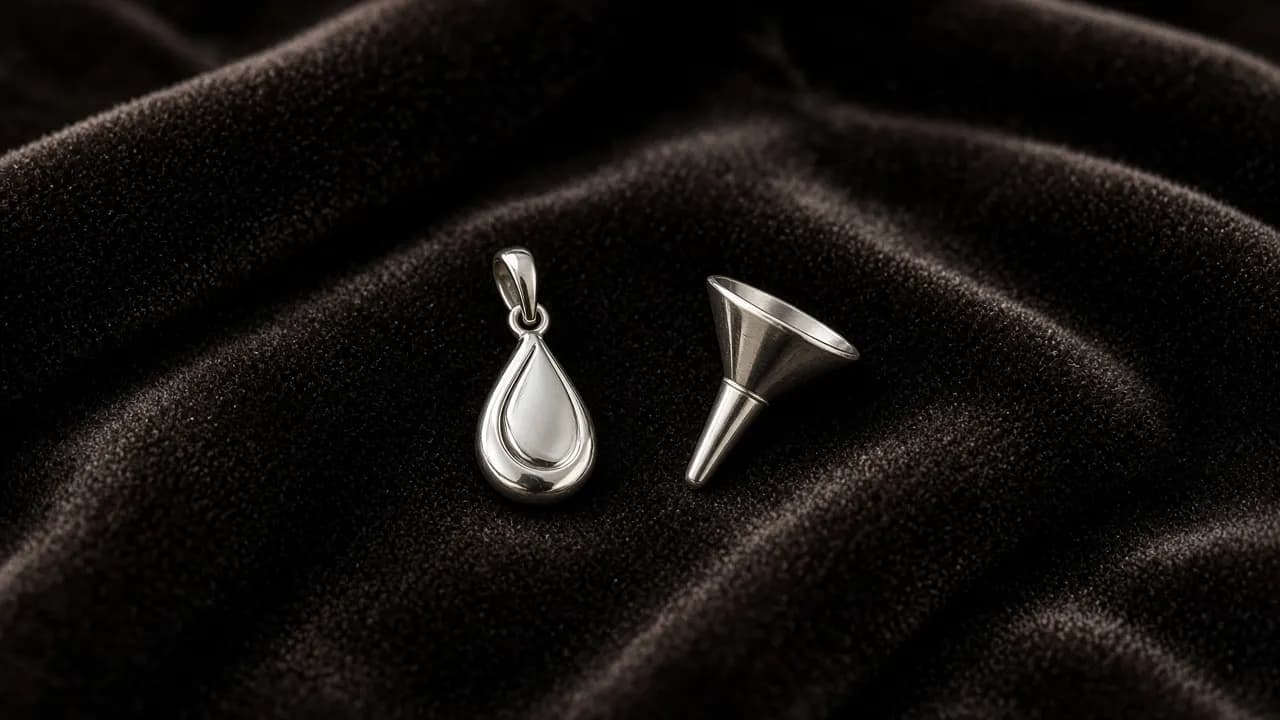
Jewelry ash capacity guide
How much ash fits in pendants, rings and glass, and how many pieces one pet can fill.
Questions people ask
Is Melbourne big enough to have several pet aftercare providers?
Probably, on the numbers. By our estimate about 1,685,000 Melbourne households keep a dog or cat and around 140,000 lose one each year, which is enough steady demand to support more than one provider. We derive that from population (about 5,078,000), household size and national ownership and lifespan figures.
Why does the Melbourne page quote a human cremation rate?
Because it is the best local signal we have. FuneralSmart (2023) reports about 71%[5] of Australia residents are cremated. There is no official pet equivalent, and inventing one would be worse than quoting a real, clearly labelled number.
Which nearby towns can I compare with Melbourne?
The closest communities we cover are Toorak (about 3 miles), Geelong (about 40 miles) and Ballarat (about 63 miles). Providers based in those places often serve Melbourne too. Ask each one for a written total that includes collection, so the distance is priced in.
My pet was cremated without a paw print. Is there anything I can do?
You can't take a new impression after cremation, but there are good alternatives. Look through your photos for a clear shot of a paw, or of paw prints in snow, sand or mud; engravers and artists can trace one. Check old vet records, the puppy or kitten pack from a breeder, and grooming photos. Some artists can also draw a lifelike paw from pictures of your pet's feet. It won't be the exact pad pattern, but many owners find it just as meaningful.
How many households in Melbourne have a dog or cat?
By our estimate, about 1,685,000 households in Melbourne have a dog or a cat, and around 140,000 dogs and cats are lost there each year. We calculate this from the city's population, average household size and national pet ownership and lifespan figures. The method is shown on this page.
Is ink safe on my pet's paw?
Use a pet-safe, non-toxic, water-based ink made for paw prints, not a stamp pad or permanent marker. Wipe the paw clean straight afterwards with a damp cloth or unscented pet wipe and dry between the toes so your pet doesn't lick any off. For fluffy paws, cats and anxious pets, an inkless kit, where a special wipe reacts with treated paper, avoids ink on fur altogether.


Sources and our estimates
- [1] 49% of Australian households have at least one dog, up from 40% in 2019. Animal Medicines Australia, Pets in Australia 2025 (media release), 2025.
- [2] US dogs have an average life expectancy at birth of 12.69 years. Montoya et al. 2023, Frontiers in Veterinary Science - Banfield Pet Hospital life expectancy tables (13.3 million dogs, 2.4 million cats, 2013-2019), 2023.
- [3] 34% of Australian households have at least one cat, up from 27% in 2019. Animal Medicines Australia, Pets in Australia 2025 (media release), 2025.
- [4] US cats seen at Banfield hospitals have an average life expectancy at birth of 11.18 years. Montoya et al. 2023, Frontiers in Veterinary Science - Banfield Pet Hospital life expectancy tables (13.3 million dogs, 2.4 million cats, 2013-2019), 2023.
- [5] Australian cremation rates hovered around 70-72% between 2020 and 2023, with Sydney and Melbourne often above 80%. FuneralSmart, 2023.
- [6] Paw-print add-ons at US crematories have a median price of about $32, from $10 to $76. Our estimate: median of [$10 clay (AGP), $15 laser engraving (AGP), $49 ink (Final Gift), $76 clay (Final Gift)]. How we calculate.
- [7] The typical sterling silver pet cremation pendant costs about $190, based on the middle of three sellers' price points. Our estimate: median of [Urns.com median $129, Memorials.com midpoint of $87.95–$297.95 = $193, Final Gift sterling paw pendant $240]. How we calculate.
- [8] RSPCA Queensland's Pets at Rest memorial packages (individual cremation) start from AUD 250, with the memorial returned within 14 days. RSPCA Queensland - Pet cremation (RSPCA Pets at Rest), 2025.
Get paw print keepsake ideas by email
Tell us what you need and where you are. We'll reply by email with clear options and prices so you can decide in your own time.